
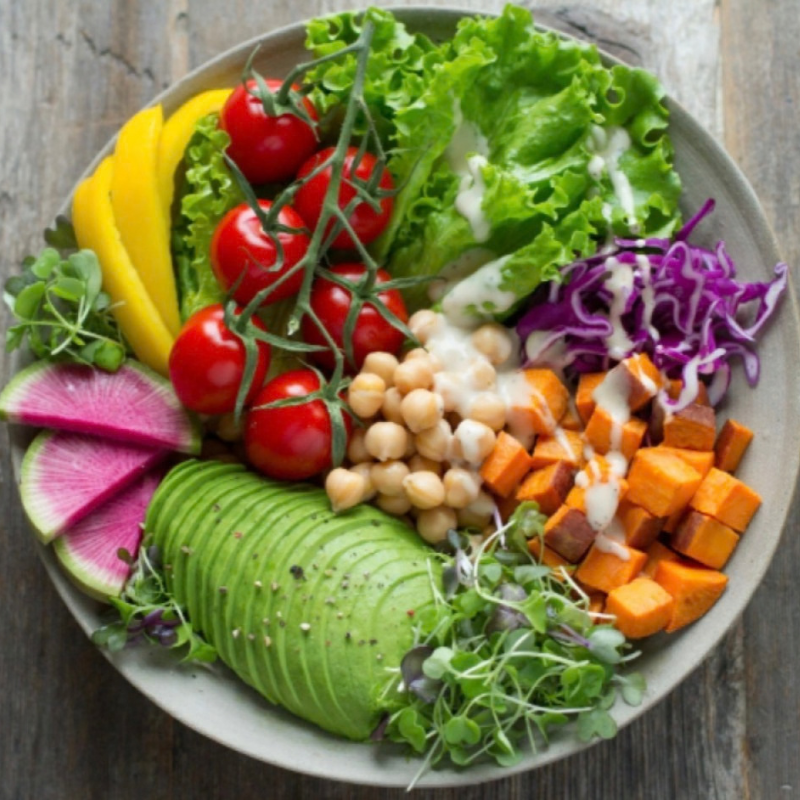
Healthy Foods Your Skin Will Love
Skin health is not just about lotions and toners. What you eat matters too. Learn about easy skin-boosting foods, from berries to greens.
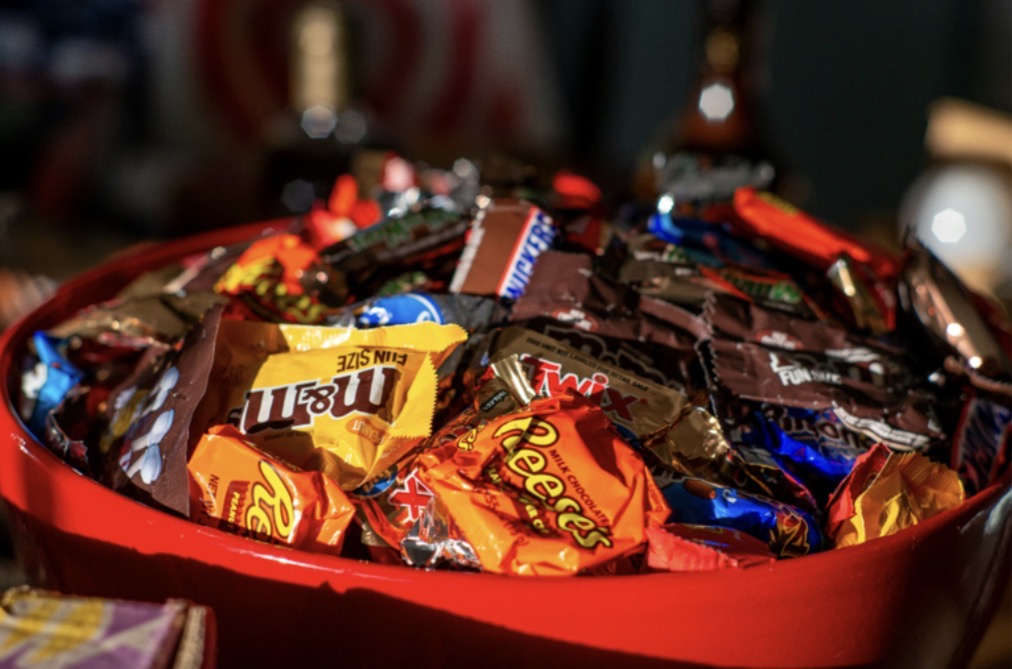
What’s Really in Your Halloween Candy?
For many, Halloween is about delicious candy. But do you know what’s actually in your candy? Learn about artificial colours and more.
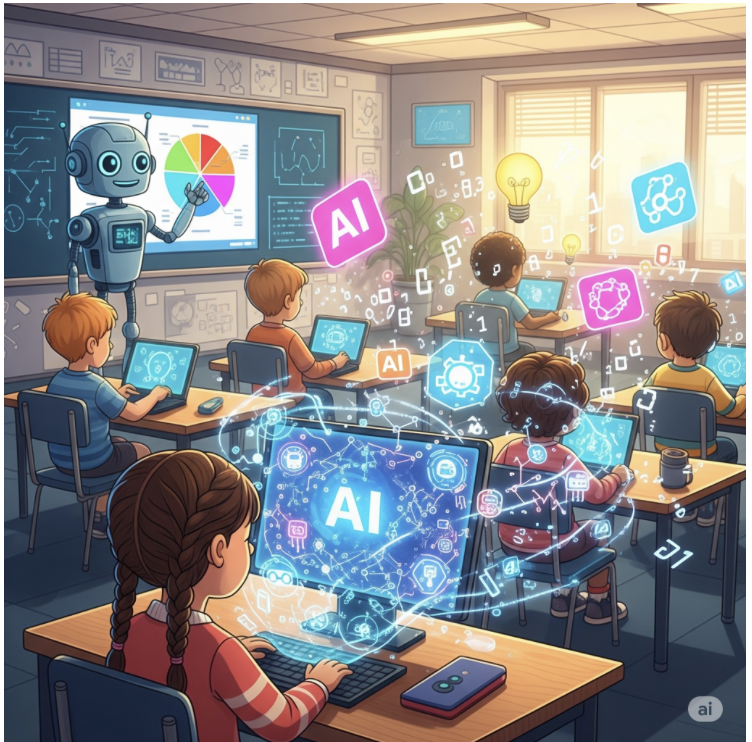
How Artificial Intelligence Can Support Better Learning
Artificial Intelligence is a tool that can support students’ learning if used responsibly. Learn how AI is transforming education.

Could Better Hydration Help Students Stay Focused?
Focus is key to doing well in school. Learn how the Echo Flask provides hydrogen water for better hydration and success for students.
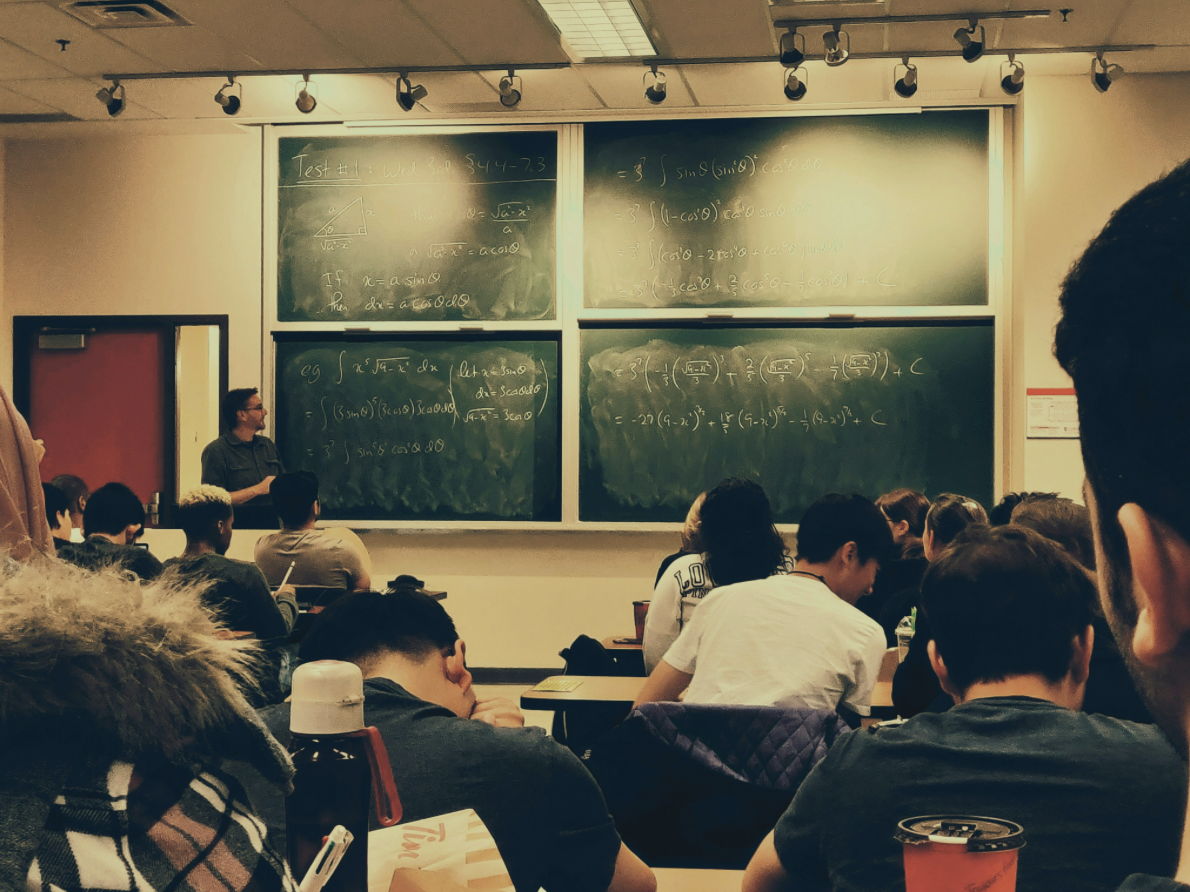
Setting Yourself Up for a Productive School Year
Being productive at school is about healthy habits and efficiency, not longer study sessions. Find tips on how to thrive as a student.

Why Hands On Green Education is the Future
As climate change continues affecting the world, education must adapt. Learn how hands-on green education prepares children to succeed.
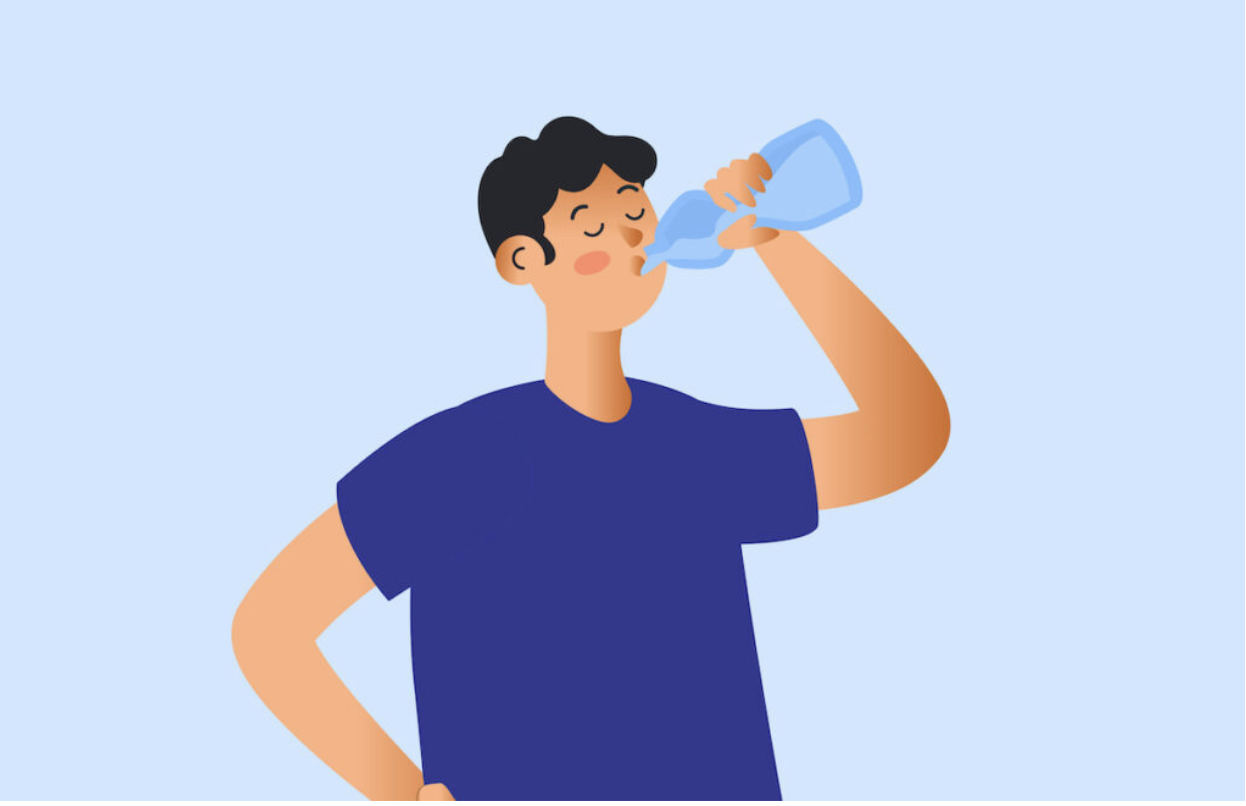
Hydration and Heat Safety During Summer Heat Waves
As heat waves become more common worldwide, it’s critical to stay hydrated and recognize signs of heat-related illness. Read for more.
Back-to-School Reset: Healthy and Green Habits
Build healthy habits, from structured studying sessions to getting vitamins, for back-to-school success. Read for more.
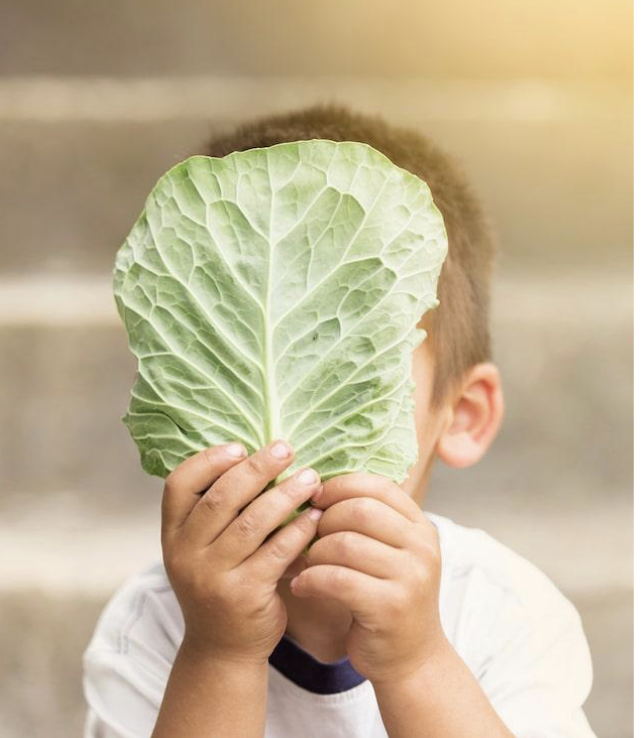
Why Cabbage Belongs in Sustainable Schools
Cabbage is not only a healthy vegetable but also a good learning tool for students. Read how it can teach food security, science, and more.

6 Tips For Organizing Your Life Before September
Organizing your life is about creating realistic goals, decluttering, reflecting, and small daily habits. Read for more tips.
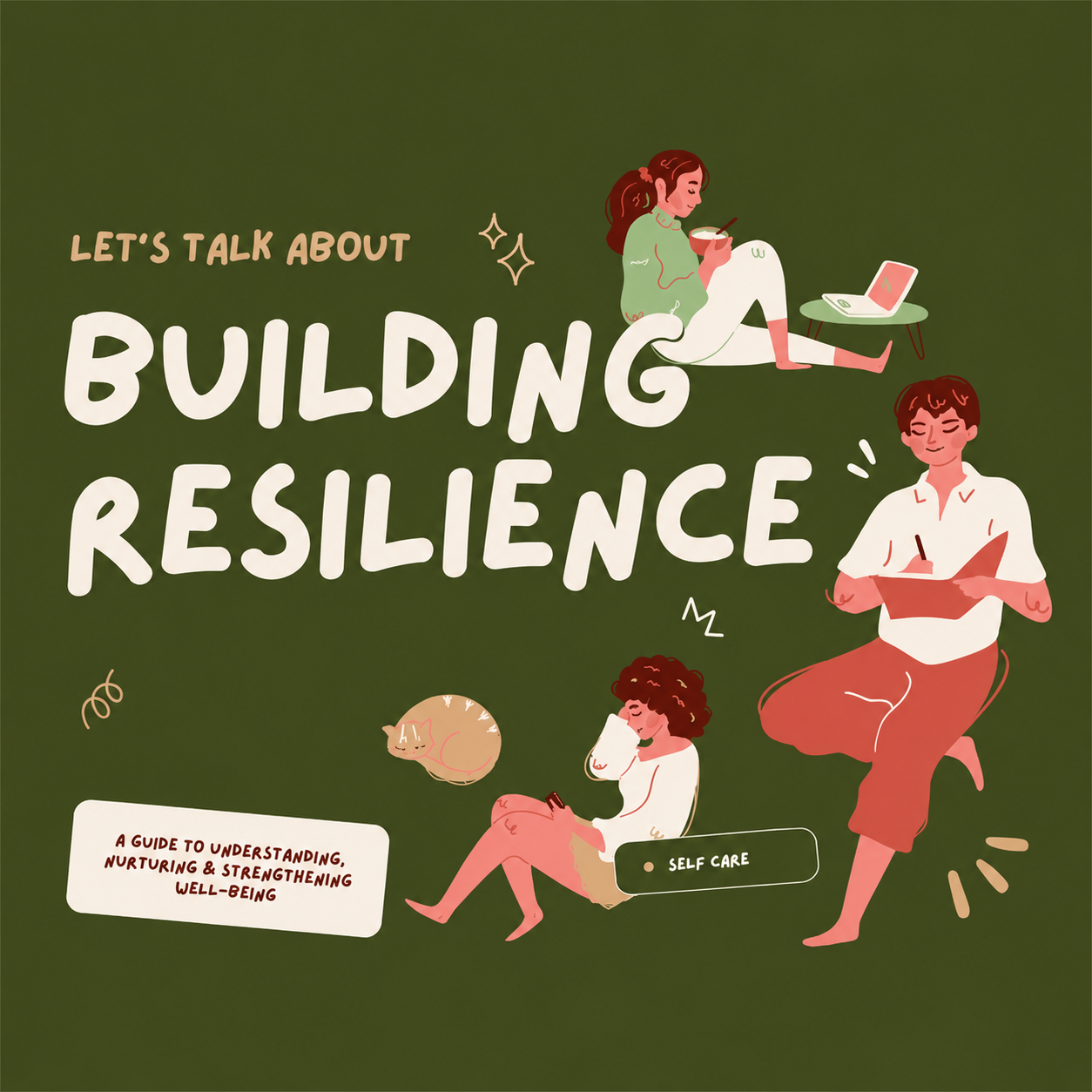
Building Resilience: One Day at a Time
Building resilience is about how you face obstacles and the perspective you take. Learn more in this blog.
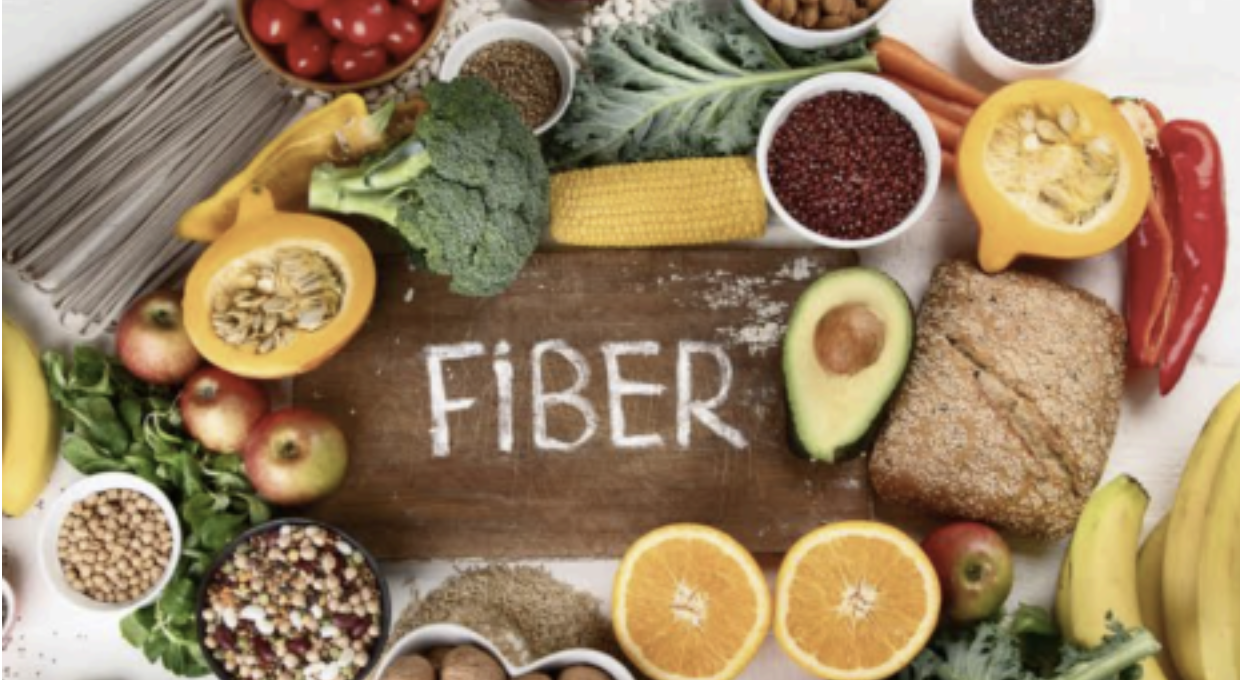
5 Summer Foods That Support Gut Health
Classic summer foods such as watermelon and berries are good for your gut health. Reduce your risk of chronic diseases with these 5 foods.
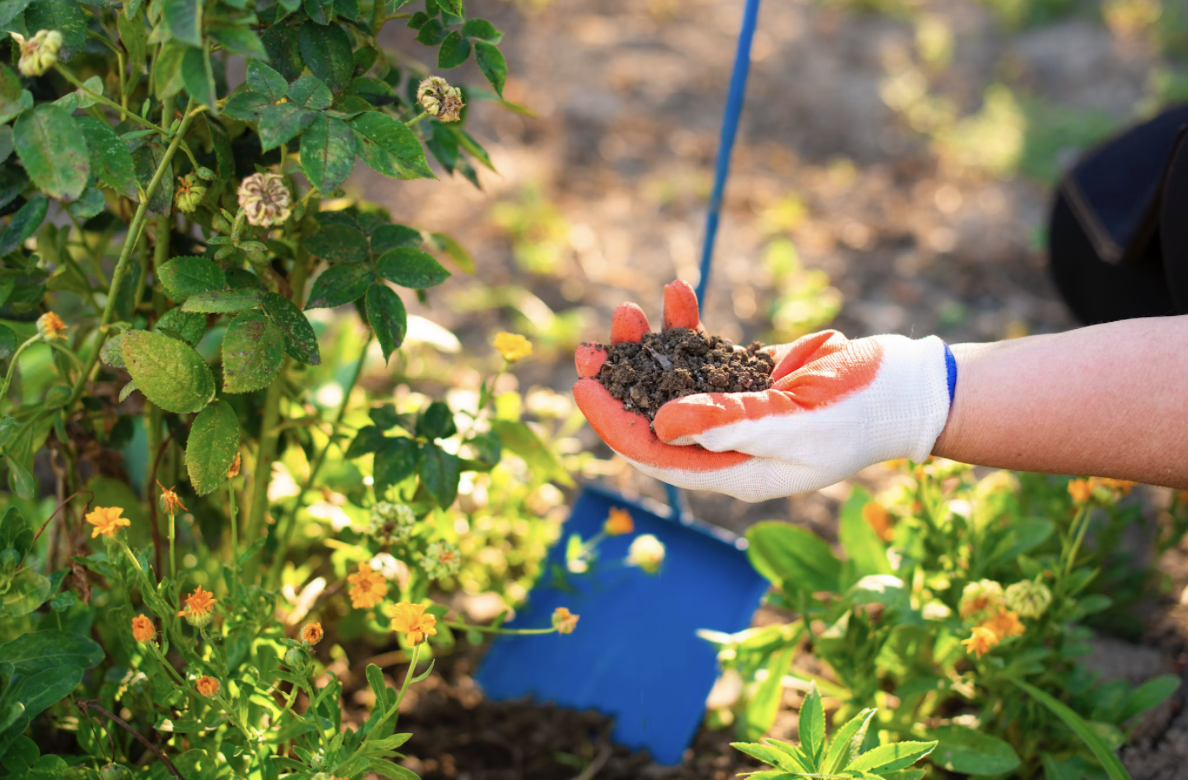
4 Best Summer Hobbies to Try
Summer is a time of vacations, but it’s also a good time to start a hobby. From gardening to hiking, find the best summer hobbies here!
The Circular Economy Approach and How You Can Participate
How can we stop wasting resources and contributing to climate change? The circular economy approach is the answer.
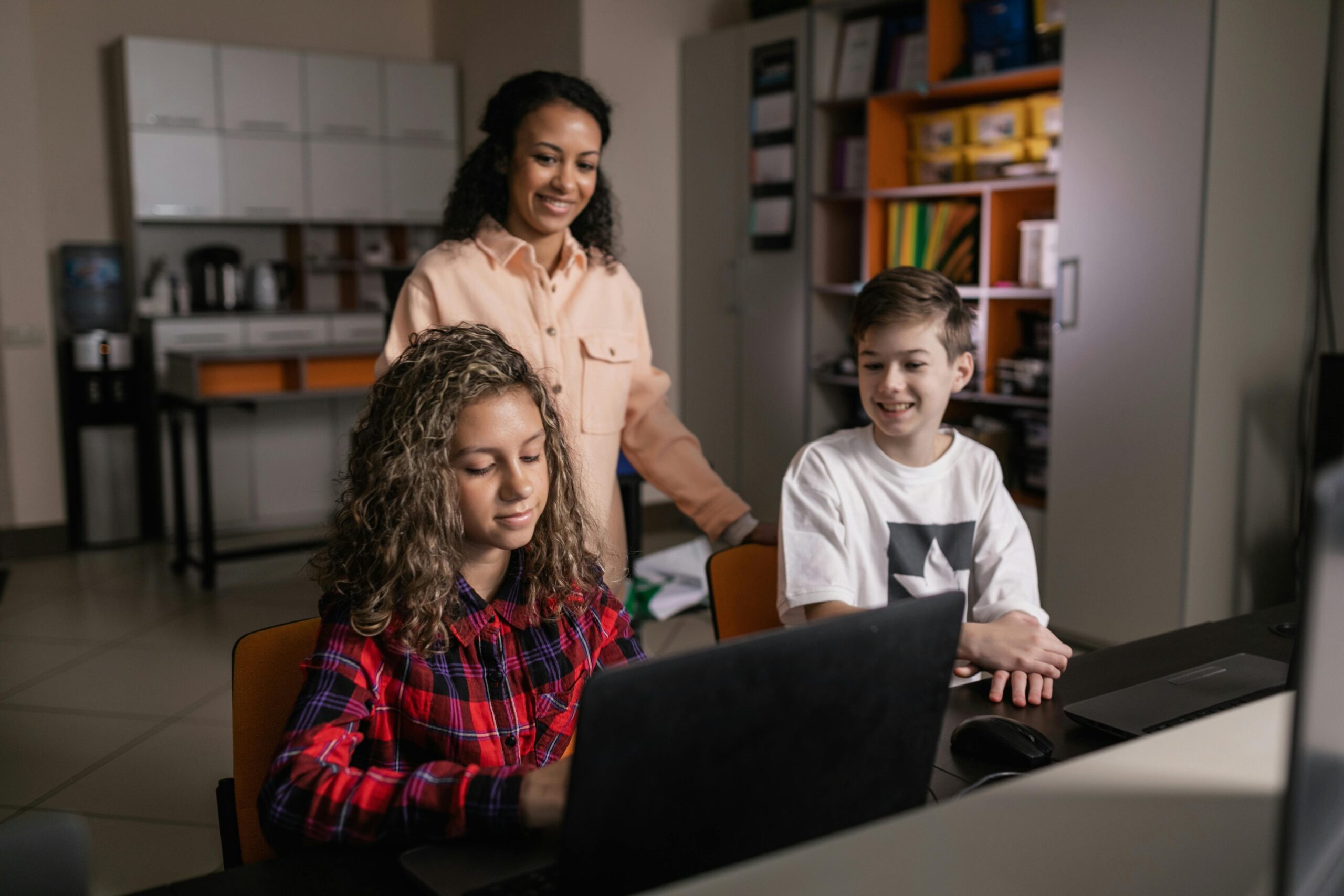
AI Literacy is the New Environmental Literacy
There’s a quiet contradiction unfolding in education—and it matters especially
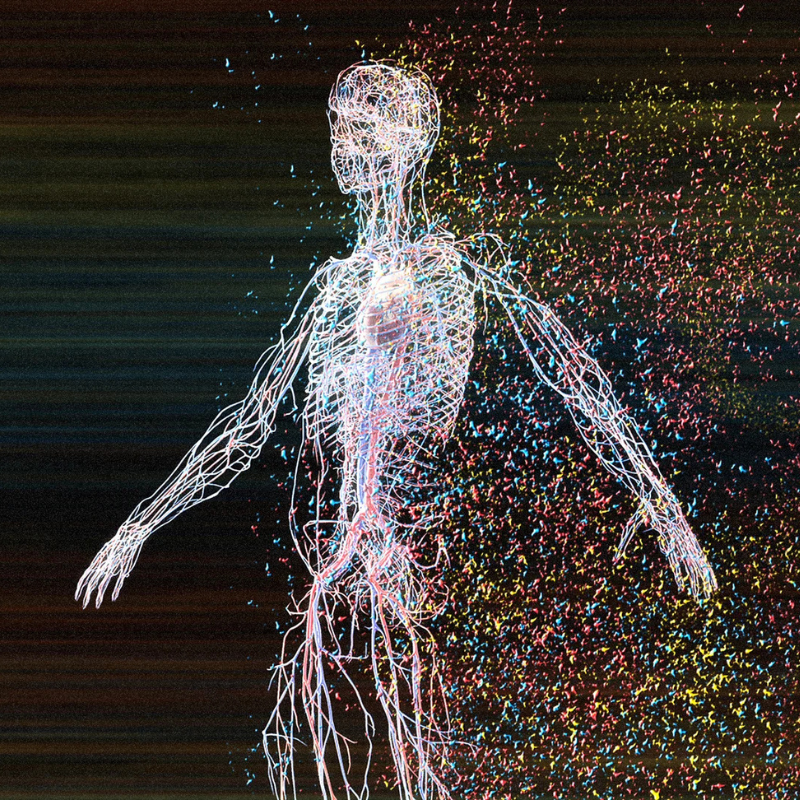
We Are Plastic People: How What We Use Defines Us
Plastic is in the products we buy and ingrained in our lifestyles. Learn why recycling isn’t enough and how to reduce waste.
Why Tomatoes Belong in Sustainable Schools
Tomatoes are not just tasty and healthy. Learn how schools can use them to teach kids about agriculture, sustainability and lifelong habits.
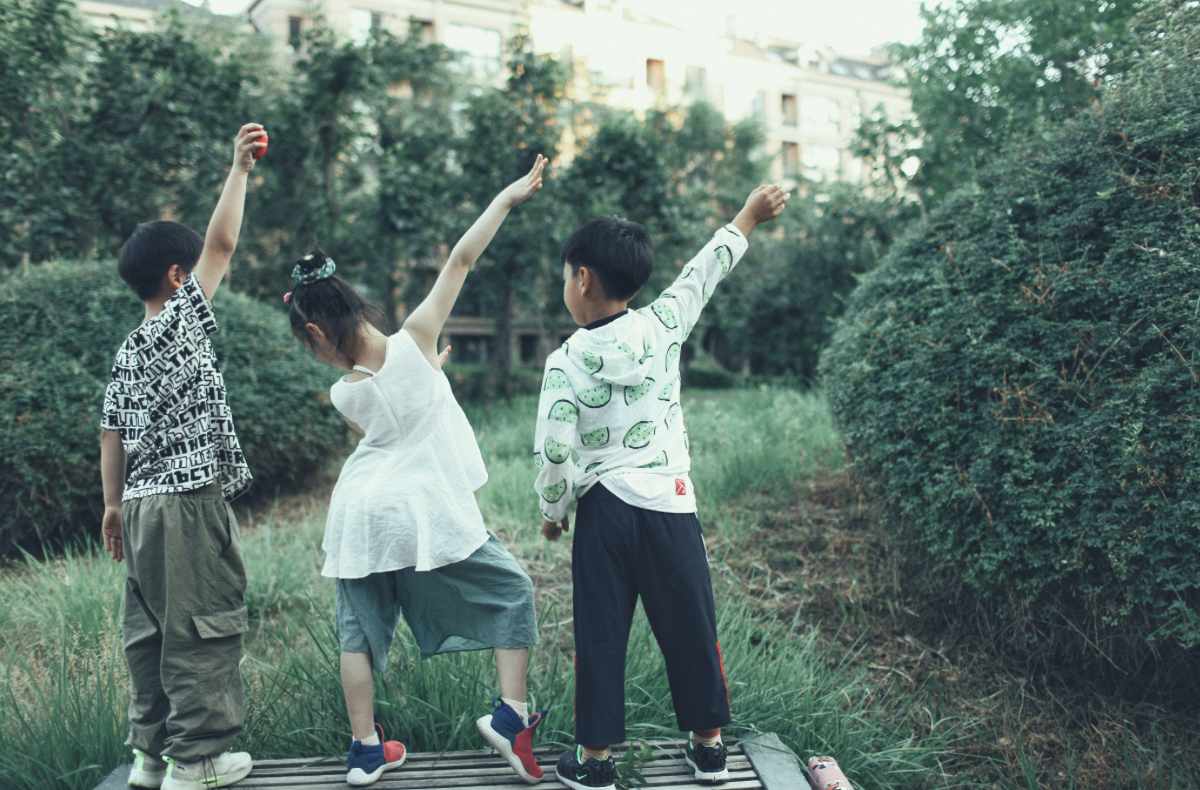
Skin and Sun Safety As Summer Approaches
Warmer weather means more time outdoors. Learn how to protect your skin while enjoying the sun with friends and family!
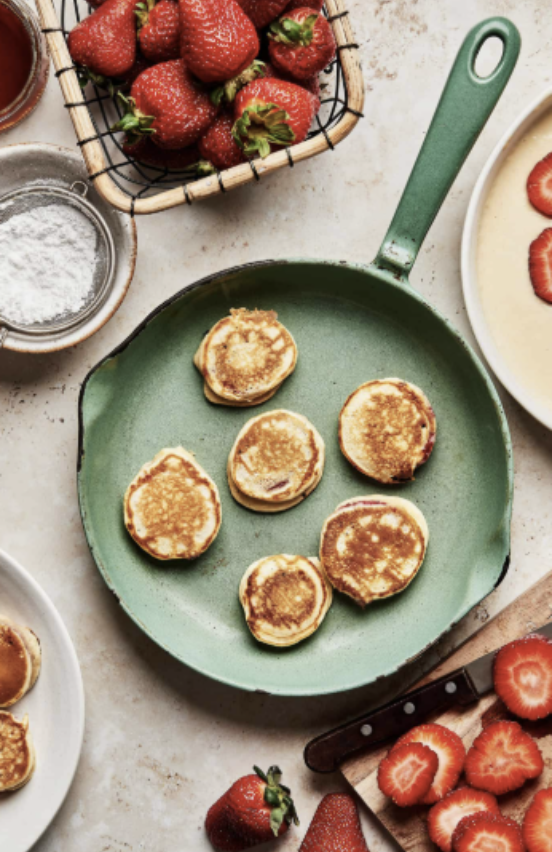
5 Kid-Friendly Spring Recipes
Get your kids involved in the kitchen and keep their stomachs happy with these easy and healthy kid-friendly spring recipes.
The Most Valuable Thing You Have, AI Cannot Copy
As AI tools become advanced enough to copy our voices, it’s key to nurture what makes us human: curiosity, adaptability, authenticity.

11 Last-Minute Mother’s Day Gifts That Still Feel Thoughtful
Still trying to find the perfect Mother’s Day gift? Here are some easy DIY ideas to celebrate the mother figure in your life.
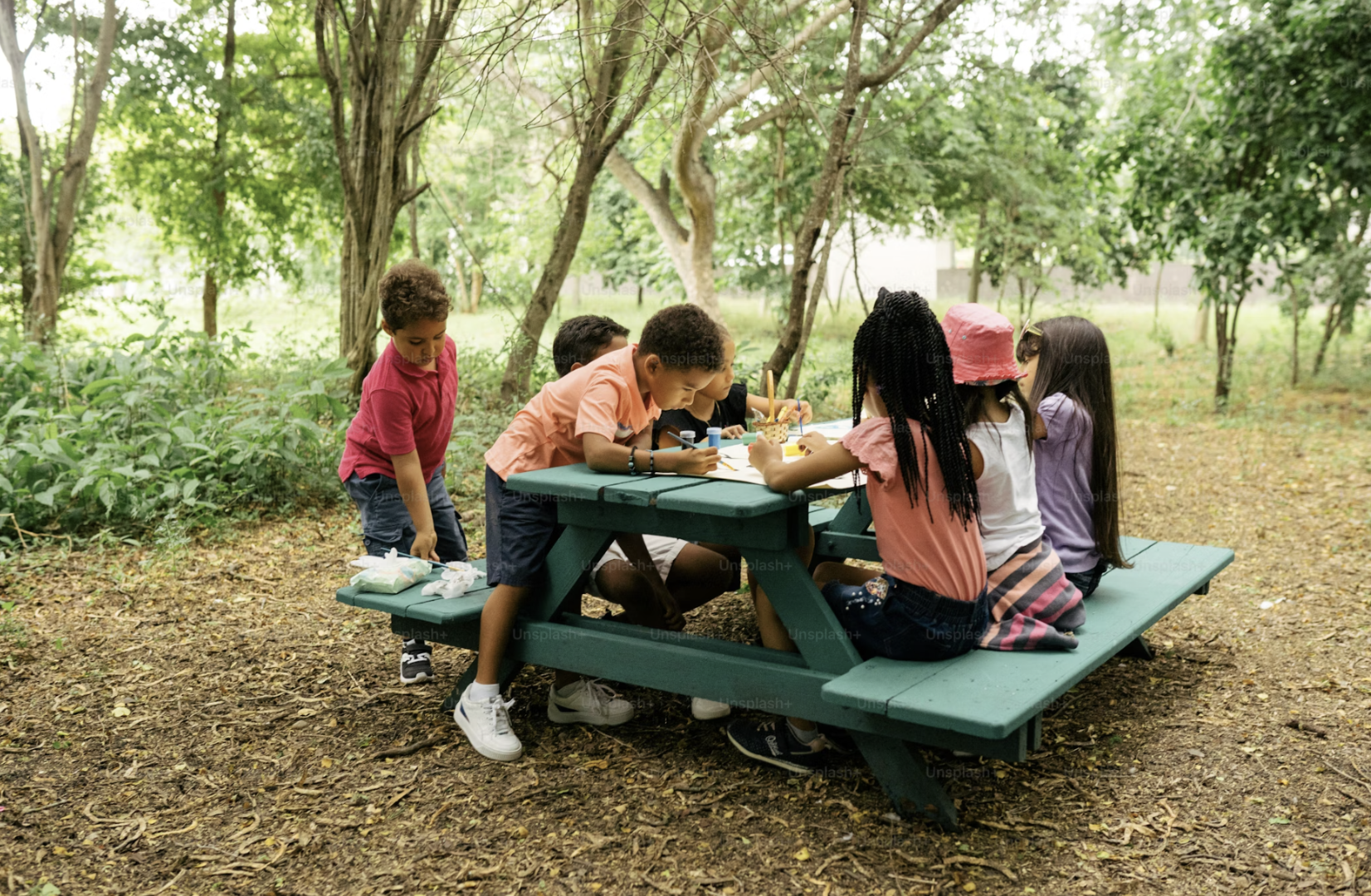
Why Summer Camp Matters More Than Ever & Top Toronto Camps
Summer camp is more than a way to keep children busy. They offer nature-based spaces and activities for growth and skill-building.
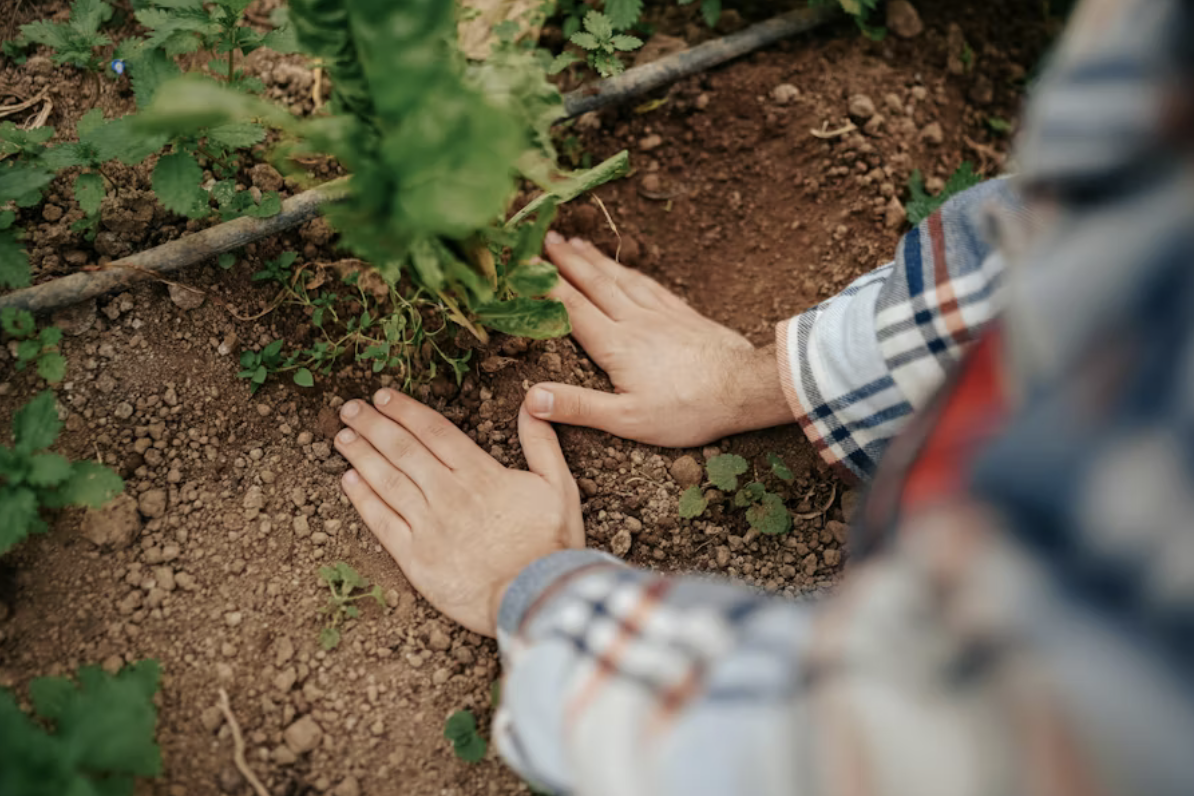
Rooting for Change: Why Tree Planting and Urban Forestry Matter
As the weather gets more extreme, cities must adapt. Tree planting and urban forestry can help both residents and the environment.

Doomscrolling: What’s Happening in Your Body
Doomscrolling and consuming too much negative news and content can take a toll on our stress levels, mental health, and bodies.
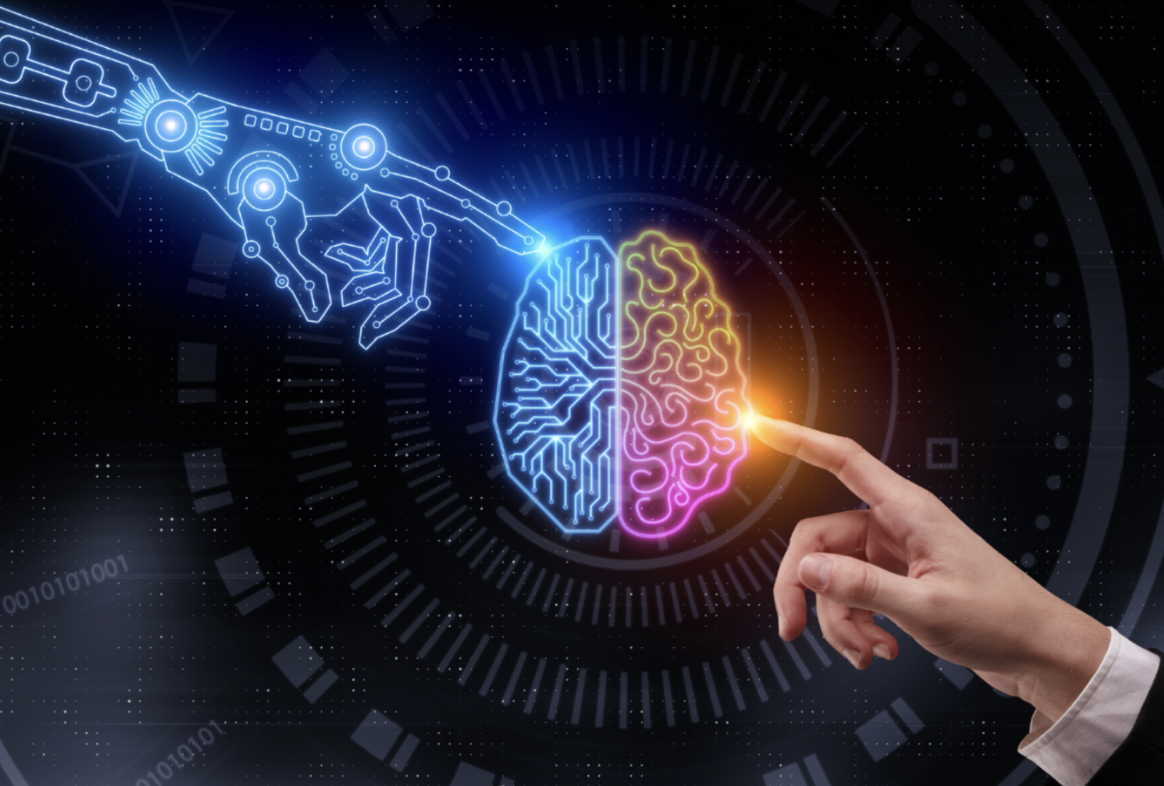
Are We Raising AI Users or Planet Stewards?
AI tools like ChatGPT now shape students’ learning. How can they best use them without losing human skills? Green schools are an answer.
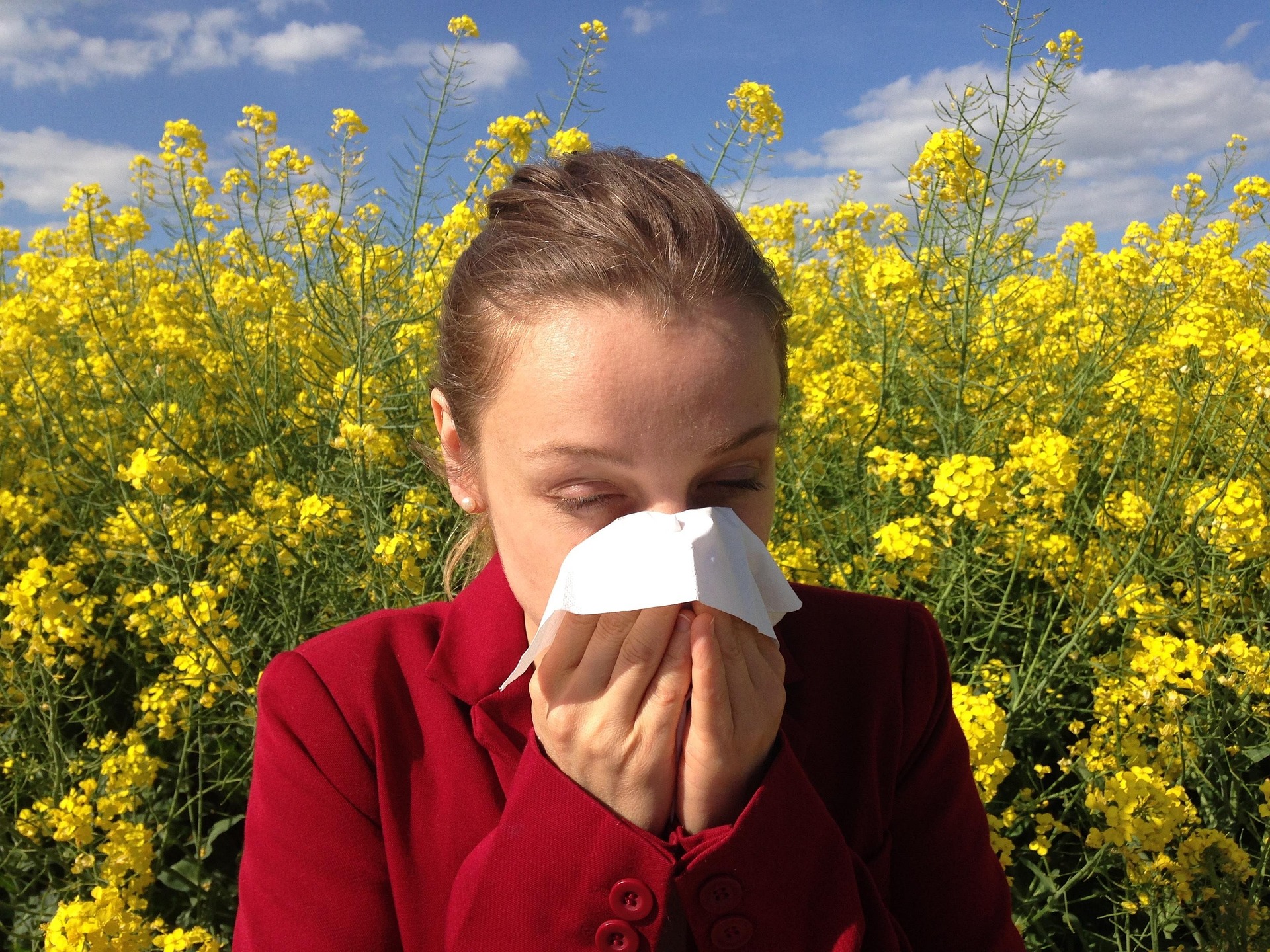
Spring Allergies: What’s Actually Happening in Your Body?
Sneezing, watery eyes…sounds familiar? Read to learn how spring allergies come about and how to manage them so you can enjoy the season.
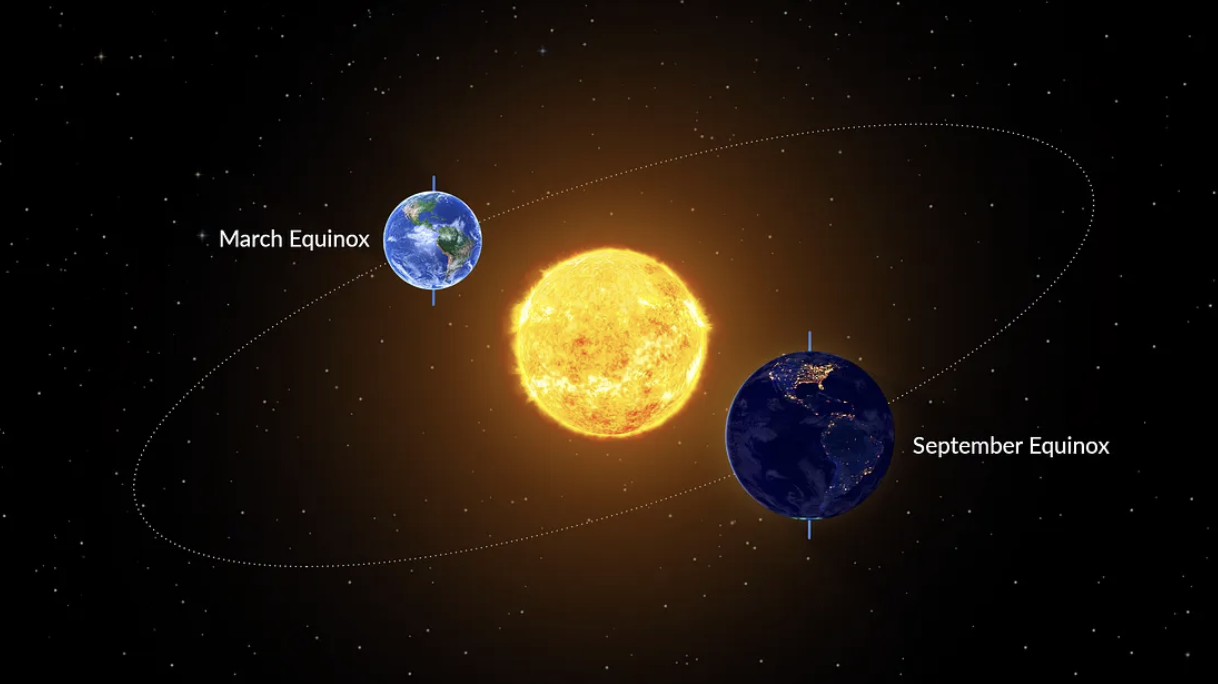
March Equinox: The Beginning of Astronomical Spring
The March equinox marks the start of spring in the north hemisphere. It’s a time to reflect and grow as individuals.
How Longer Days Change Your Brain Chemistry
The longer days in spring and summer often make us happier, but why? Learn how serotonin, dopamine, and melatonin come into play.
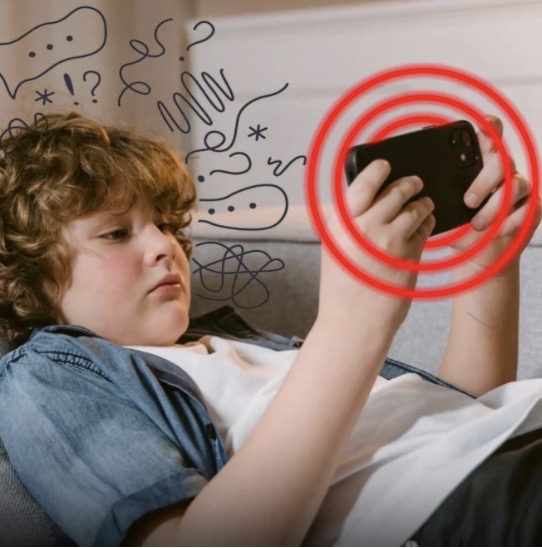
How Do EMFs Affect Modern Classrooms?
Modern devices emit EMFs, which can disrupt learning and student health. Learn how we can balance technology and health with green schools.

Talking Through Emotions: How Therapy Helps Us
Our busy lives often mean we push aside or bottle up our feelings. Learn why talking through emotions in therapy helps us process them.
