
At Green Schools Green Future, we value personal wellness, being intentional about technology use, and sustainability.
Summer brings fresh local produce, outdoor gatherings, and lighter meals. Although many individuals tend to focus on staying active and hydrated during the warmer months, summer is also an ideal time to pay attention to something that affects nearly every aspect of our health: our gut.
In recent years, gut health has become an increasingly important topic, especially as colorectal cancer rates continue to exponentially rise among younger adults. It was once considered a disease that mainly affected older populations, but colorectal cancer is being diagnosed more frequently in people under the age of 50. Researchers are still investigating the reasons behind this trend, but the risk factors mainly come down to insufficient fiber intake, consuming highly processed foods, sedentary lifestyles, and overall poor gut health.
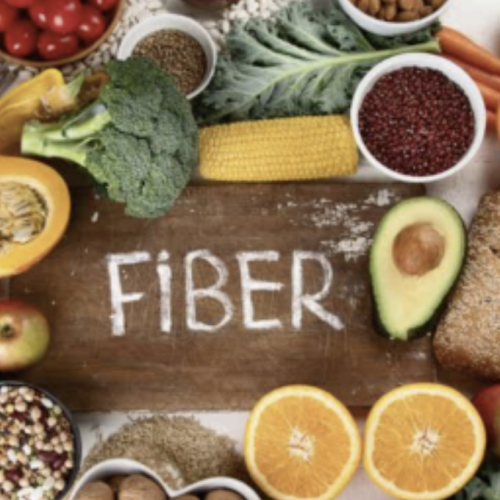
Although there is no guaranteed way to prevent colorectal cancer, experts agree that maintaining a healthy diet rich in fiber, fruits, vegetables, and whole foods can support both gut health and overall well-being.
Why Gut Health Matters
The gut is home to trillions of microorganisms that make up what is known as the gut microbiome. These organisms do more than just help with digestion. They influence immune system function, nutrient absorption, metabolism, inflammation levels, and even our mental health. When the gut microbiome becomes imbalanced, it can contribute to digestive issues and increase the risk of chronic diseases.
However, many summer foods naturally support a healthy gut. Below are several:
1. Fiber-Rich Berries
Berries are among the most gut-friendly foods that are in season during the summer months. Strawberries, blueberries, raspberries, and blackberries contain high amounts of fiber and antioxidants that help nourish good gut bacteria.
I enjoy adding berries to my yogurt bowls or just eating them as a snack. It is a simple but effective way to increase daily fiber intake.
2. Hydrating Fruits for Better Digestion
Watermelon is often the first fruit that comes to mind when we think of summer. It provides several heath benefits. Since it has a high percentage of water, it helps support hydration, which is essential for healthy digestion. When the body is adequately hydrated, food moves more efficiently through the digestive system. This reduces the risk of constipation and promotes overall digestive comfort. Other hydrating fruits include cantaloupe, honeydew, peaches, and oranges.
3. Leafy Greens and Seasonal Vegetables
The benefits of summer salads are not just about vegetables that are in season. Leafy vegetables like spinach, kale, arugula, and romaine lettuce can contribute to your fiber intake and have beneficial effects on gut microorganisms. Also, vegetables contain nutrients that can decrease inflammation and improve your digestion.
4. Fermented Foods
Fermented foods contain live microorganisms that may help support the balance of bacteria in the digestive system. There are many delicious options including yogurt, kefir, kimchi, and sauerkraut. Adding them to your diet regularly can contribute to a more diverse gut microbiome, which is generally associated with better health.
5. Chia Seeds
Chia seeds are one of my personal favourite sources of fiber. Rich in fiber, chia seeds help support healthy digestion and feed beneficial gut bacteria. Just two tablespoons contain nearly 10 grams of fiber, making them one of the easiest ways to increase daily fiber intake. Chia seeds are incredibly versatile and can be added to smoothies, yogurt, oatmeal, overnight oats, or homemade chia pudding. During the summer months, a chilled berry chia pudding can be a refreshing and gut-friendly snack.
Conclusion
Research suggests that diets high in ultra-processed foods and added sugars may negatively affect the gut microbiome over time. Rather than cutting out your favourite summer foods entirely, it’s better to focus on moderation and incorporating more whole foods into your diet for better long-term health.
Remember that better gut health does not happen overnight or after a few healthy meals. It only happens when we develop healthy eating and lifestyle habits. Eating fruits instead of processed snacks, eating vegetables for lunch, drinking enough water, or even eating fermented foods might not make much difference in one day, but it can all be significant for overall well-being in the long run. With higher rates of colorectal cancer among young people, a healthy gut is all the more important now. This summer, take care of your gut while enjoying seasonal summer produce.
We are building our first green school to teach students healthy habits, future-ready skills, and eco-friendly technologies. Help us raise the capable leaders of tomorrow by making a donation.
For more interesting blog posts like this one, subscribe to our monthly newsletter!
References:
Gunnars, Kris. “22 High-Fiber Foods You Should Eat.” Healthline, 3 May 2023, www.healthline.com/nutrition/22-high-fiber-foods.
McDonald, Kellie. “Colorectal Cancer Rates Are Skyrocketing in Young Adults — Is Your Lifestyle Putting You at Risk? – Cancer Research Institute.” Cancer Research Institute, 2 Mar. 2026,
www.cancerresearch.org/blog/colorectal-cancer-awareness-month?campaign =784691.
Rondinella, Debora, et al. “The Detrimental Impact of Ultra-Processed Foods on the Human Gut Microbiome and Gut Barrier.” Nutrients, vol. 17, no. 5, 28 Feb. 2025, pp. 859–859, www.mdpi.com/2072-6643/17/5/859,
https://doi.org/10.3390/nu17050859.