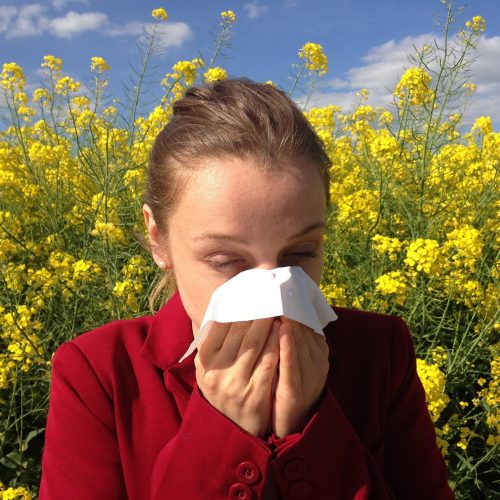

As March arrives and winter slowly fades, many people look forward to longer days, warmer weather, and blooming flowers on trees. But for others, spring signals something less enjoyable; sneezing, congestion, itchy eyes, and constant fatigue. Seasonal allergies are extremely common, yet most of us don’t fully understand what’s happening in our bodies when symptoms appear.
Origins of Allergies
Spring allergies begin with the immune system. Normally, your immune system keeps you healthy by protecting you from harmful invaders like bacteria and viruses. However, for some individuals, harmless substances such as pollen are mistaken as threats. When pollen enters their bodies through the nose, mouth, or eyes, their immune systems overreact and release protective chemicals to fight it off. This reaction triggers inflammation and leads to the familiar allergy symptoms.
Common symptoms include:
- Sneezing
- A runny or stuffy nose
- Watery or itchy eyes, throat irritation, and fatigue
Some also experience headaches or difficulty concentrating. This can be especially frustrating for students during midterm season when it’s important to stay focused. The body’s inflammatory response can drain energy levels, making students feel tired even when they are getting enough sleep.
Misconceptions About Spring Allergies
There are several misconceptions about seasonal allergies that can make them harder to manage.
One common myth is that allergies are just a minor inconvenience to push through. Though they may seem less severe than the flu and other illnesses, untreated allergy symptoms can largely affect sleep quality, concentration, and overall well-being.
It is also easy to confuse allergies with a cold. Unlike colds, allergies are not contagious and usually come with persistent itchiness and clear mucus rather than fever or body aches.
How to Manage Spring Allergies
Dealing with allergies during the warmer, more pleasant days of spring is rough. Luckily, there are practical ways you can try to reduce exposure and ease symptoms without relying on medication.
1. Close your windows
Simply keep windows closed during peak pollen hours, which is typically early in the morning.
2. Shower and change clothes after spending time outdoors
This can help remove pollen from your hair and skin before it comes indoors.
3. Keep your furniture and study space clean
If you make sure your room is free of dust, you’ll experience less irritation and breathe easier.
4. Breathe in steam
Breathing in steam from a bowl of hot water or during a warm shower can help loosen your congestion and calm irritated nasal passages. It’s a simple home remedy you can try on a daily basis.
5. Stay hydrated
Fluids help keep mucus thinner, which makes it easier for the body to clear it naturally.
6. Tips for students
Managing allergies during busy periods at school can seem difficult, but it often comes down to small daily habits. Prioritize sleep, stay organized with study schedules, and take short breaks. Higher stress levels can lead to a more overactive immune system, so keep on top of your wellbeing.
For more tips for students, check out our blog post on time management hacks.
Conclusion
Some of us may not be able to avoid spring allergies, but understanding the science behind them can help you feel more in control. By recognizing that symptoms come from your immune system reacting to environmental changes, you can make informed choices that support your health while still enjoying the beautiful season.
Here at Green Schools Green Future, we believe that education is one of the most powerful tools for building healthier communities and a more sustainable world.
If you enjoyed this blog, consider supporting the GSGF Foundation. Your contribution will help us build our first green school. This will be a learning space where children gain environmental awareness, practical skills, and the confidence to become future leaders in climate action. Donations will go toward acquiring sustainable construction materials, training teachers, and learning resources. Donors can also receive tax receipts.
Plus, stay informed and receive healthy living tips right in your inbox by signing up for our monthly newsletter.