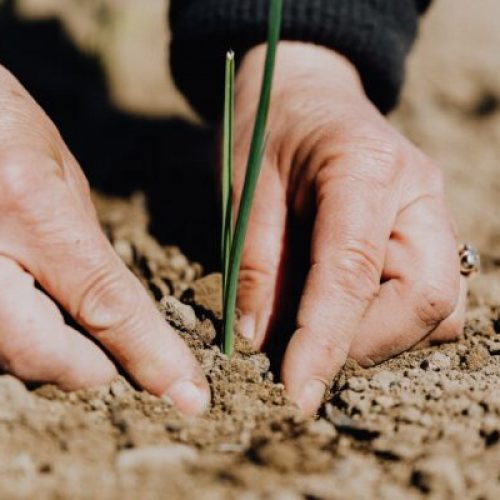
We only have about 30-40 years before our soil is entirely devoid of nutrients. Yes, you read it right. Only healthy soil can grow healthy food. As it is, the food we eat today contains 60% of the nutritional value it had 70 years ago. In addition, we have seen an increase in consumption of unhealthy food, health scams, and sedentary lifestyles.
What is Soil Degradation?
Soil degradation is a decline in soil quality due to improper use or poor management, usually for agricultural, industrial, or urban purposes. Soil is the basis of terrestrial life and therefore, many different species depend on it. Its degradation can have disastrous effects on a global scale, causing landslides and floods, pollution, desertification, and loss of biodiversity.
45% of the world’s forests has been turned into agricultural land. If areas with degraded soil are sloping, they lose their ability to sustain crops due to erosion and are abandoned. According to Hikmet Ozturk, deputy general manager of the Turkish Foundation for Combating Soil Erosion for TEMA, soil degradation causes and is affected by climate change. Since 1850, 35% of the carbon dioxide in the atmosphere comes from land destruction. Due to unsustainable agriculture activities, permafrost areas thaw, leading to methane gas emissions that is 28 x more potent than carbon dioxide.
A popular case study relating to soil degradation is using glyphosate-based herbicides like Roundup (which continues to be used despite the bans). Glyphosate is an active ingredient in agricultural pesticides which reduces water retention and filtration in soil at alarming rates. Consistent use of such chemicals played its part to bring us to where we are today.
How Does Soil Degradation Affect Us?
Soil degradation affects our ability to grow nutritious food. Not only does it lead to less nutritious produce, but it hinders plants’ rooting abilities. This leads to lower-quality, misshapen, and undersized vegetables and fruits.
Soil erosion leads to displacement of minerals and nutrients in soil, creating an imbalance that affects traditional ecosystems. The displaced minerals are deposited in reservoirs, depriving people of resources.
Related article: Sustainable Substitutes for Traditional Agricultural Methods
Is There a Way to Combat This?
In simple words, we have to find a way to keep the soil alive. High-quality soil is teeming with bacteria and other microorganisms. Intensive farming practices have harmed the precious ecosystems within soil. We can mitigate this by using sustainable farming practices. One way is to let the nutrients return to the soil by leaving vegetation to grow naturally. Another method is avoiding monocultures. Growing a single crop on the same patch of land means the same nutrients are continuously being absorbed, which eventually leads to depletion. Crop rotation allows different plants to re-nourish the soil they are grown in.
Agroforestry and permaculture are other ways to restore microclimates for trees and let different organisms flourish. When the soil is nourished, crops will be nutritious and beneficial. We need long-term solutions to avoid imminent food disasters. A notable environmentalist who advocates soil health is Vandana Shiva. She is the founder of RFSTE and initiated the Navdanya movement.
How GSGF Ties In
At Green Schools Green Future, we propose to teach children how to grow their food using aquaponics. Aquaponics is a soil-less method of vertical farming where fish waste containing ammonia is converted into healthy nutrients by bacteria. The plants absorb these nutrients and clean the water, completing the cycle.
Want more sustainability tips and updates on our green school project? Join our growing community!
Sources:
https://www.sciencedirect.com/science/article/pii/S2667006220300022
https://www.aa.com.tr/en/environment/soil-degradation-poses-risk-to-food-security/1664531
https://www.nature.com/articles/s41598-019-44988-5
https://www.thelancet.com/journals/lanplh/article/PIIS2542-5196(18)30064-0/fulltext
https://acsess.onlinelibrary.wiley.com/doi/full/10.1002/agj2.20783