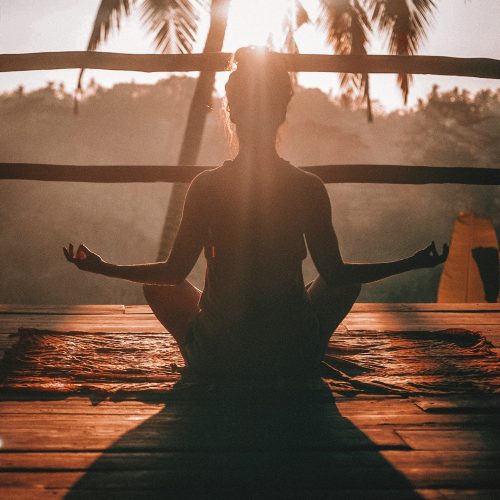

“Do not dwell in the past, do not dream of the future, concentrate the mind on the present moment.” – Buddha
We forget these words of wisdom when our busy day-to-day lives take over. With mental health becoming less of a stigmatized topic, many are finding different ways to cope with stress, whether it be through therapy, exercise, support groups, or medication.
Rise of Mental Self-Care
The changes which stemmed from the pandemic led many people to develop new routines to live healthier lives. They focus on physical health by working out, taking a walk, or taking part in other exercises such as swimming, biking, or playing tennis. Each activity is a known mood-booster and helps to alleviate symptoms of both depression and anxiety. Through exercise, your body releases dopamine, norepinephrine, and serotonin, which are all brain chemicals that play an important part of regulating your mood.
However, taking care of your physical health is not the only important aspect of your wellbeing. It is also important to pay attention to your mental health. One key way is through mindfulness.
Practicing mindfulness can help you understand and manage your thoughts and feelings better, as well as maximize your productivity.
Do you find when you are anxious, your mind hops to all the different tasks you must complete? You may often feel lost and stressed about everything you have to do. Try to organize your thoughts by using the 1-3-5 method: 1 big task, 3 medium tasks, and 5 smaller tasks. This will help you to organize and prioritize the items on your to-do list, and feel more fulfilled when things are completed.
To be mindful is to recognize life can be overwhelming at times. It does not mean to run away from problems or avoid unpleasant thoughts, but instead to accept the thoughts and pay attention to what you are feeling. It’s difficult to be mindful all the time, but small changes can help your mind, body, and soul adapt to your environment and stay present at the moment.
5 Reasons to Try Meditation
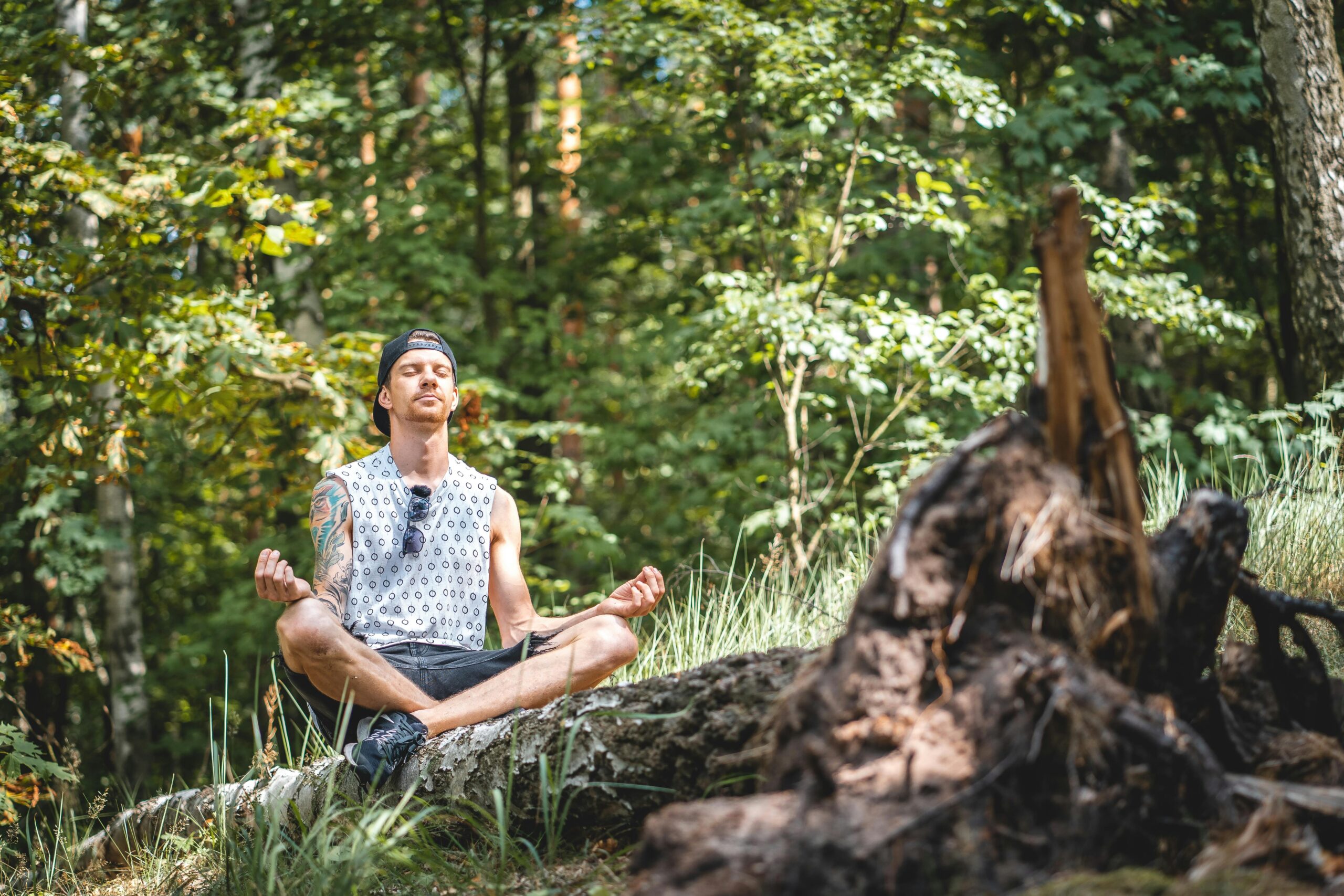
One major form of practicing mindfulness is meditation. This has become more popular over the last few years as people realized the importance of self-care. It’s a way to train your brain and redirect your negative thoughts into positive ones. There are many scientific benefits to meditation and the results are often immediate. Have you thought about trying it? Here are five reasons why you should try meditation:
1. It reduces stress
Stress is linked to an increase in blood pressure, cloudy thoughts, extreme fatigue, disruptive sleep, anxiety, and depression. Meditation can help with all of the above. Studies found the pre-frontal cortex, which is the part of your brain associated with happiness and higher cognition, is extra active on Buddhist monks compared to others.
2. It Improves sleep
Many people experience issues falling asleep and may often lay wide awake when their mind is racing due to stress. Meditation triggers a relaxation response, which is why many people fall asleep as soon as they begin. A brief meditation session before bed is a great solution for many having trouble falling asleep.
3. It sharpens your memory
Concentration allows you to focus your attention. By doing so, you can use meditation to declutter your thoughts and calm down. As your mind gets quieter, you begin to find inner peace and relaxation. By learning to focus on the sole task of meditating, you are training your brain to be aware of the present moment. In everyday life, this simple skill can help you become less distracted and lengthen your attention span.
4. It enhances self-awareness
Meditation helps you develop a stronger understanding of who you are and what your values are. It teaches you to recognize self-defeating, diminishing, or harmful thoughts. The goal is to be self-aware of how those thoughts come to fruition, how you can redirect your negative thoughts into more productive ones, and how to reduce those thought patterns.
5. It generates positivity and kindness
The goal of mediation is to create positive feelings within yourself. In turn, that positive energy will affect those around you, whether it be family and friends, classmates, coworkers, or complete strangers. When people learn to be kind and forgive themselves, this often extends to their surroundings. Those who meditate tend to show more love, care, and compassion towards others.
Conclusion: Meditation for Better Living and a Positive Future
Whether you do it to start your day, end your day, or both, meditation is a great mindfulness practice to add to your routine. As the above reasons for meditation show, you will see immediate benefits that grow stronger over time and it will improve your life immensely.
We often worry about our career, our families and friends, and our bank accounts, but we don’t often take the time we need to be present and live in the moment. By taking a step back and focusing on our mental health, we can positively influence our own lives.