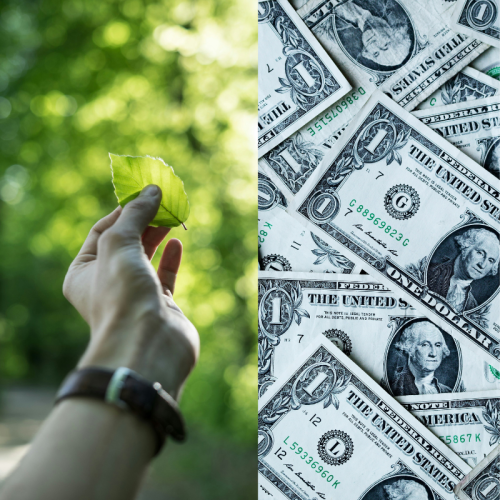
Most of us have encountered fake food, mostly in the form of meat grown in labs. Those who create and support these engineered foods emphasize the sustainability benefit. However, critics believe profits are the real main motivation.
As more innovations in fake food take hold and corporations in the industry grow, they gain control over food production and distribution systems. Investors are also supporting engineered food companies with millions of dollars.
Lab-Grown Foods: Just One Option Among Others
Research has suggested lab-grown foods are not the only option when it comes to being more eco-friendly. One other option is replacing certain foods for other ones. An analysis from Tulane University researchers found that substituting beef for turkey for just 1 meal could reduce carbon emissions by 9.6% and water consumption by 5.9%.
Regenerative farming is also an effective way to cut down on emissions. When Impossible Foods (makers of the Impossible burger and other plant-based meats) hired Quantis to analyze their products, they achieved 87%-96% lower environmental footprints across categories. However, they were comparing themselves against traditional farming practices. In Georgia, White Oak Pastures uses regenerative grazing methods for cattle. After having Quantis also analyze their products, they achieved a 111% lower carbon footprint than traditional farms.
Drawbacks of Engineered Foods
While lab-grown meat and other fake foods are more eco-friendly in several ways, they often rely on soybeans. These crops leave a significant environmental footprint.
Due to a lack of long-term studies examining the effects of eating lab-grown meats and other engineered foods, health risks are also possible.
Reference:
Fake Food Promoters Care About Money, Not ‘Sustainability’