Composting: Benefits and How to Do It
Composting is nothing new. A lot of people have taken the initiative to do it to help the environment. Kudos to those who have made changes in their way of living to set an example for the rest of the world. With diverse products available on the market, composting need not be complicated or difficult in any way.
According to 2012 EPA statistics, Americans composted only 4.8% of their food waste and the rest went to landfills. With more awareness spreading and people/organizations taking initiative, there is hope that composting becomes second nature to everyone.
What is Composting?
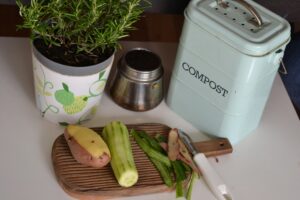
Composting is a process of decomposing food waste naturally to create nutrient-rich fertilizer. Creating a compost heap is not a new process, but with the explosive growth in demand for organic, natural, and homegrown foods, people are more interested than ever in embracing this sustainable practice. People are creating their compost heap at home by putting together the food waste and scraps that would normally just be thrown away.
Benefits
1. Reduce methane gas emissions
This is important as methane emissions is known to be 25 times deadlier than carbon dioxide.
2. Returns nutrient-rich soil with good water retention to naturally enhance plant growth
Composting can remediate the soil and enhance water retention.
3. Reduce or eliminate the use of chemical fertilizers
Related article: The Harmful Effects of Chemical Fertilizers and Pesticides
How to Compost
1. Curbside collection
In certain provinces, there is special garbage collection for food waste. If you live in a place that has this, all you need to do is have a separate trashcan for compost material and leave it at the curb for pickup.
2. Compost food waste yourself
For those of us who are plant lovers or have backyards with plants, trees, and produce, we can do the composting ourselves. There are several methods you can choose from:
Electric compost machines
This option can save you energy and time. These machines work with small batches of food waste and do not take up much space.
Outdoor composting
For those who can do outdoor composting, there are two methods: cold compost and hot compost. Cold compost is where you dump appropriate food waste in a bin and in about a year, you can enjoy natural compost for your plants. Hot composting is a calculated and faster process that yields compost in one to three months. You just need food waste, nitrogen, water, air, and carbon. Together, these ingredients feed the microorganisms in the waste and speed up the process.
BONUS: Put some homemade compost in a pretty jar and tie a burlap/jute ribbon around it. It makes for a lovely present for your gardener/plant lover friend.
What Can You Compost?
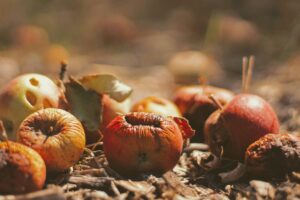
There are a few rules as to what can and cannot be added to compost. The following are compostable:
- fruit scraps
- vegetable scraps
- coffee grounds
- eggshells
- grass and plant clippings
- dry leaves
- straw
- sawdust from untreated wood
The following cannot be composted:
- anything containing meat, oil, fat, or grease
- diseased plant materials
- sawdust or chips from pressure-treated wood
- dog or cat feces
Composting for a More Sustainable Future
No matter which method you use, composting reduces methane gas emissions and food waste, thus helping the environment. Natural compost is also nourishing to plants.
At Green Schools Green Future, we strive to educate children and everybody else about the benefits of natural, clean, and green living. Composting, along with aquaponics, vertical farming, and hydroponics are at the core of our curriculum.
Help us build our first green school to help kids grow the green and clean way.