
October has a magic of its own. 🍂
The leaves begin to turn shades of gold and red, the air feels a little crisper, and everywhere you look, nature reminds us of change. For us at Green Schools Green Future (GSGF), October also feels like a call to action, a time to reflect on how schools can help children grow into change-makers who care for the planet.
This month is packed with reminders of why sustainability in education matters. From World Teachers Day (October 5th) to World Food Day (October 16th), October puts a spotlight on two of the most important pillars of a greener tomorrow: teachers and food. Together, they show us how education can inspire sustainable living in ways that last a lifetime.
Schools, Where Habits Begin
Think back to your own school days. How many of your habits, both good and bad, started there? For children, school isn’t just about learning math or grammar, it’s where they pick up values, behaviours, and a sense of responsibility.
That’s why schools are such powerful places to model sustainability. Put a recycling bin in every classroom, posters about saving water, or have teachers encourage students to use reusable lunch containers. These may seem like small actions, but they send a lasting message. Studies show that children who learn about sustainability in schools are more likely to carry those habits back home, influencing their families and communities (Evans et al., 2017).
At GSGF, we believe that’s how change really happens: one small habit at a time, multiplied across many homes and classrooms.
What Green Learning Looks Like
So how can schools bring sustainability to life this October and beyond? Here are some simple but powerful ideas:
🌱 Eco Classrooms: Fill learning spaces with natural light, fresh plants, and recycled materials. Not only do they reduce energy use, but they also create healthier environments for kids.
🥗 Zero Waste Lunches: Encourage students to swap single-use plastics for reusable containers and teach them about composting. Imagine how much less food waste we would produce if every child learned this at school.
🌳 Outdoor Learning: Take lessons outside. Whether it’s a science experiment in the garden or story time under a tree, connecting with nature helps students appreciate it.
☀️ Renewable Energy Projects: Kids love hands-on activities. Building a small solar-powered car or learning how wind turbines work makes green energy exciting and relatable.
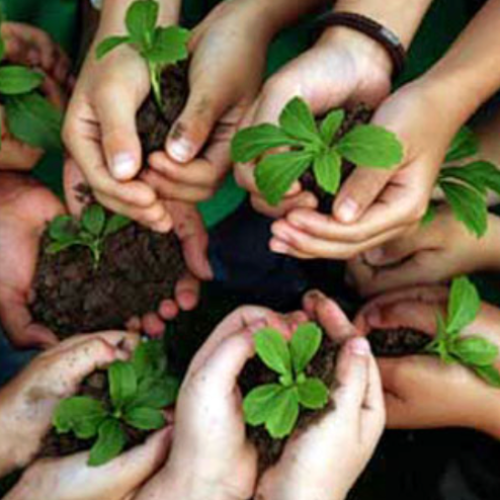
These aren’t just classroom activities, they’re seeds being planted in young minds. And once those seeds grow, they can shape how entire generations view the planet.
October: Focusing on Food and Education
October also brings World Food Day, a day to remember how important access to healthy, sustainable food is. For many children, school is where they first learn about nutrition and food security. But food education should be more than knowing vegetables are good for you.
If students learn to grow their own produce in a school garden, they’d understand where food comes from, how composting works, and why reducing waste matters. Hands-on food education doesn’t just fight hunger. It also helps kids connect on a stronger level with the planet (FAO, 2020).
At GSGF, we see food as a cornerstone of green education. Teaching children about food systems today means giving them tools to protect our future.
Teachers: Everyday Heroes of Change
Another highlight of October is World Teachers Day. Educators hold an incredible power: the ability to spark curiosity and shape the way children see the world.
When teachers bring sustainability into lessons, whether through science experiments, art projects, or even storytelling, they make green living feel real and personal. UNESCO (2021) notes that teachers are essential to achieving global climate and education goals. Without them, sustainable schools simply wouldn’t be possible.
Related blog post: The Power Of Storytelling in Climate Change Education
So this October, let’s celebrate teachers, not just as educators but also as leaders of change for the world.
Why Donations Matter This Month
We know schools and teachers want to do more, but limited resources can be a challenge. That’s why support from donors is so important. Every donation to Green Schools Green Future helps provide tools, workshops, and programs that bring sustainability into classrooms.
- Donate: Support GSGF by making a financial contribution. Every dollar helps fund sustainable learning resources and advocacy initiatives. Click here: gsgf.foundation
- Volunteer: Join GSGF’s efforts to create sustainable schools and promote eco-friendly education. Get involved here.
- Subscribe to our monthly newsletter: Sign up to get the latest news on our projects, sustainability tips, and more.
What Parents and Communities Can Do
Parents and communities are part of this journey too. Schools can plant the first seeds of sustainability, but it’s at home where they’re watered and nurtured.
Here are a few easy ways families can continue green learning:
- Pack waste-free lunches
- Turn off lights and appliances when not in use
- Start a small backyard or balcony garden
- Talk to kids about why these actions matter
When schools and families work hand in hand, sustainability becomes a shared lifestyle, not just a lesson from a textbook.
October: A Turning Point for Change
As the leaves fall this October, we’re reminded that change is natural, necessary, and beautiful. This is the perfect time to start weaving sustainability into education.
At Green Schools Green Future, we know that every classroom can become a space for eco-friendly learning and every child can become a champion for the planet. All it takes is awareness, action, and support.
So let’s make this October a turning point. Whether it’s teachers inspiring lessons, schools growing gardens, parents modeling green habits, or supporters like you making donations, we all have a role to play in shaping a greener tomorrow.
References:
Evans, N., Stevenson, R. B., Lasen, M., Ferreira, J.-A., & Davis, J. (2017). Approaches to embedding sustainability in teacher education: A synthesis of the literature. Teaching and Teacher Education, 63, 405–417. https://doi.org/10.1016/j.tate.2017.01.013
Food and Agriculture Organization of the United Nations. (2020). School based food and nutrition education. FAO. https://www.fao.org/3/cb0400en/cb0400en.pdf
UNESCO. (2021). Teachers at the heart of education recovery. United Nations Educational, Scientific and Cultural Organization. https://unesdoc.unesco.org/ark:/48223/pf0000379515
Zafar, S. (2025). 5 Effective ways to improve environmental education. EcoMENA. https://www.ecomena.org/better-environmental-education/