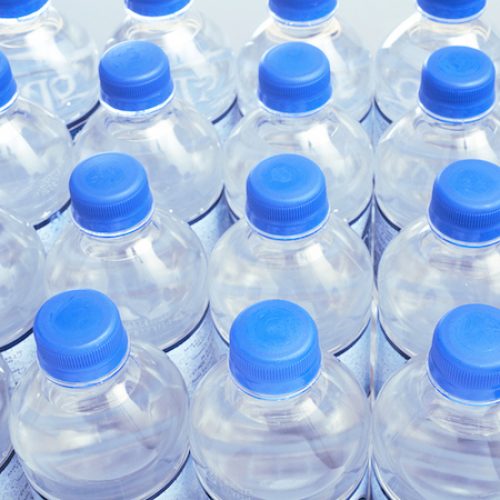
Many of us are being careful about what we eat, but we also need to pay attention to what we drink. This goes for water as well. Research has found microplastics in bottled water.
Microplastics by Brand
A study by Orb Media, a non-profit journalism organization, tested 259 bottles of water from 11 common brands across 9 countries. 93% of the bottles contained some amount (measured in particles per liter, or ppl) of microplastics. Notably, there were large differences in amounts among bottles from the same brand
On average, the tested bottles of water contained 325 ppl of microplastics.
The table below shows the ppl range by brand:
| Bottled Water Brand | Ppl Range |
|---|---|
| Aqua | 0–4,713 |
| Aquafina | 2–1,295 |
| Bisleri | 0–5,230 |
| Dasani | 2–335 |
| Epura | 0–2,267 |
| Evian | 0–256 |
| Gerolsteiner | 9–5,160 |
| Minalba | 0–863 |
| Nestle Pure Life | 6–10,390 |
| San Pellegrino | 0–74 |
| Wahaha | 1–731 |
San Pellegrino had significantly lower ppl of microplastics than any other brand tested.
The bottles with the highest ppl came from Nestle Pure Life, though their ppl range is very wide.
How to Avoid Microplastics in Drinking Water
Below are some tips for avoiding or reducing microplastics in the water you drink:
1. Invest in a Home Water Filtration System
Effective water filters can help you get rid of microplastics and other contaminants. A few good filters to try are:
- Big Berkey
- Zen Water Systems
- ZeroWater Pitcher
2. Use Glass Water Bottles
Grab a glass water bottle and fill it up with filtered water before leaving your house. This way, you won’t need to buy bottled water. One good option is the Justfwater 32-ounce bottle, which also has a silicone sleeve.
Reference:
https://livingmaxwell.com/microplastics-bottled-water