

Adopting circular living solutions on top of existing efforts could help prevent the plastic waste problem from progressing.
We have a fascination with plastic, but plastic waste remains a problem. At events like the Circular Living Symposium 2019: Upcycling Our Planet in Bangkok, held by PTT Global Chemical PLC GC, there’s a desire to move toward resource re-evaluation and “Revolutionizing the Plastic Industry”. We have to start thinking more deeply about the full lifecycle of plastic and how we can better handle plastic waste.
The circular economy: past, present, and future
In a traditional linear economy, non-renewable resources are procured and an item is manufactured. It’s used by a consumer and disposed of in the trash, usually ending up in a landfill — also known as the “take-make-waste” model.
In a circular economy, an item is made from renewable materials; then it’s either re-used or recycled, becoming part of a closed-loop system. In this model, materials can circulate almost indefinitely, reducing or avoiding waste.
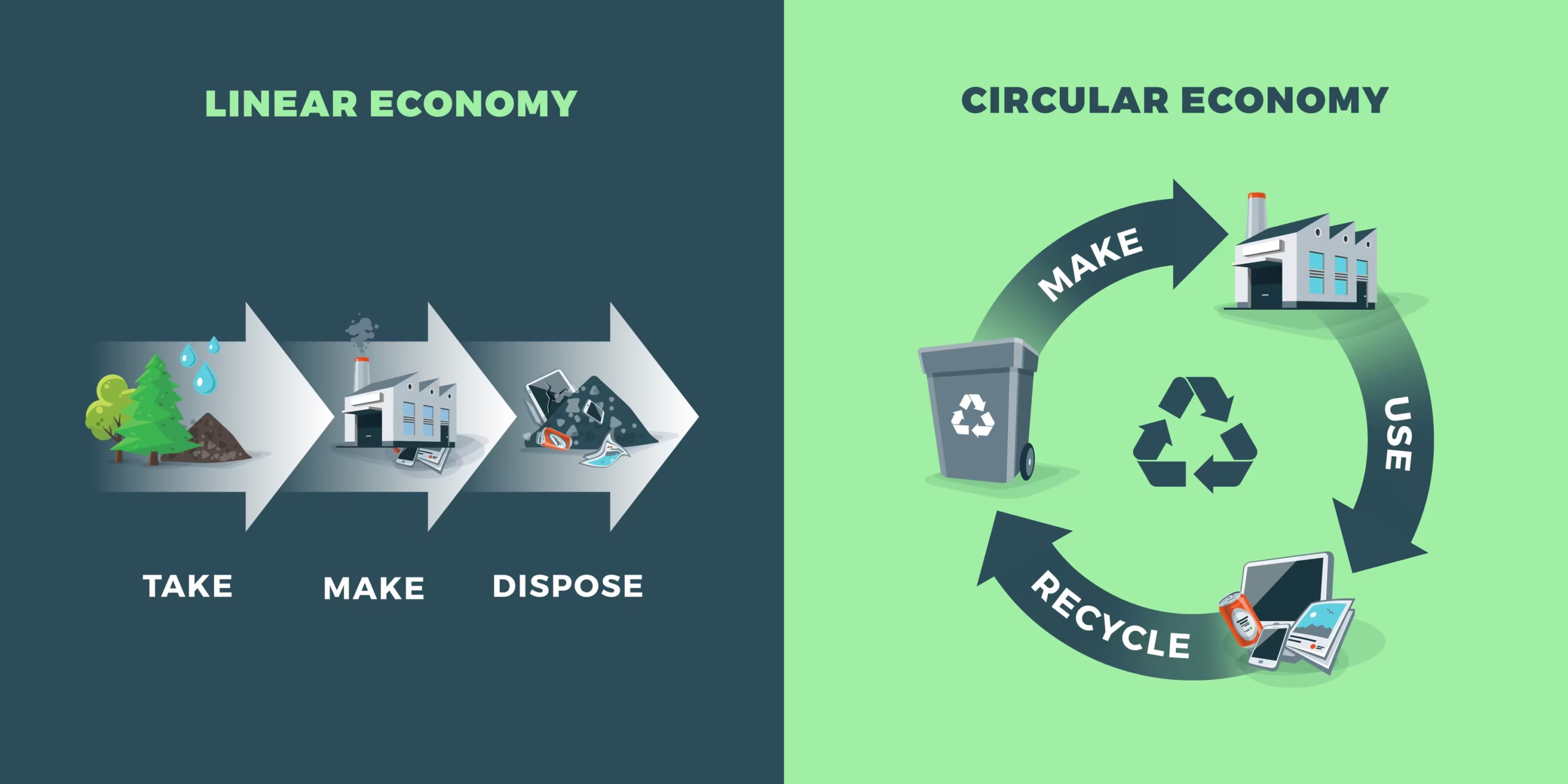
The circular economy model isn’t new — by most accounts, the idea dates back to the 1960s. Since then, the idea has continued to gain traction, popularized by organizations like the Ellen MacArthur Foundation and WRAP (Waste and Resources Action Programme). Now it’s being widely embraced and promoted by major corporations like Unilever. Concrete steps, however, still need to be taken to make this a fully viable solution to plastic waste worldwide.
Barriers to embracing a circular economy
Companies need to make changes in order to start the manufacturing process with renewable materials. They may also have to change product design, procurement processes, and production to increase the lifespan of their products and accommodate a culture of re-use. Many businesses will also have to become accountable for the recycling of their products.
On the other hand, consumers will also have to adapt their use of products. That might include a shift in purchasing behavior — buying fewer, higher-quality items that may cost more upfront but can last longer or be repaired or recycled.
Fighting plastic with plastic
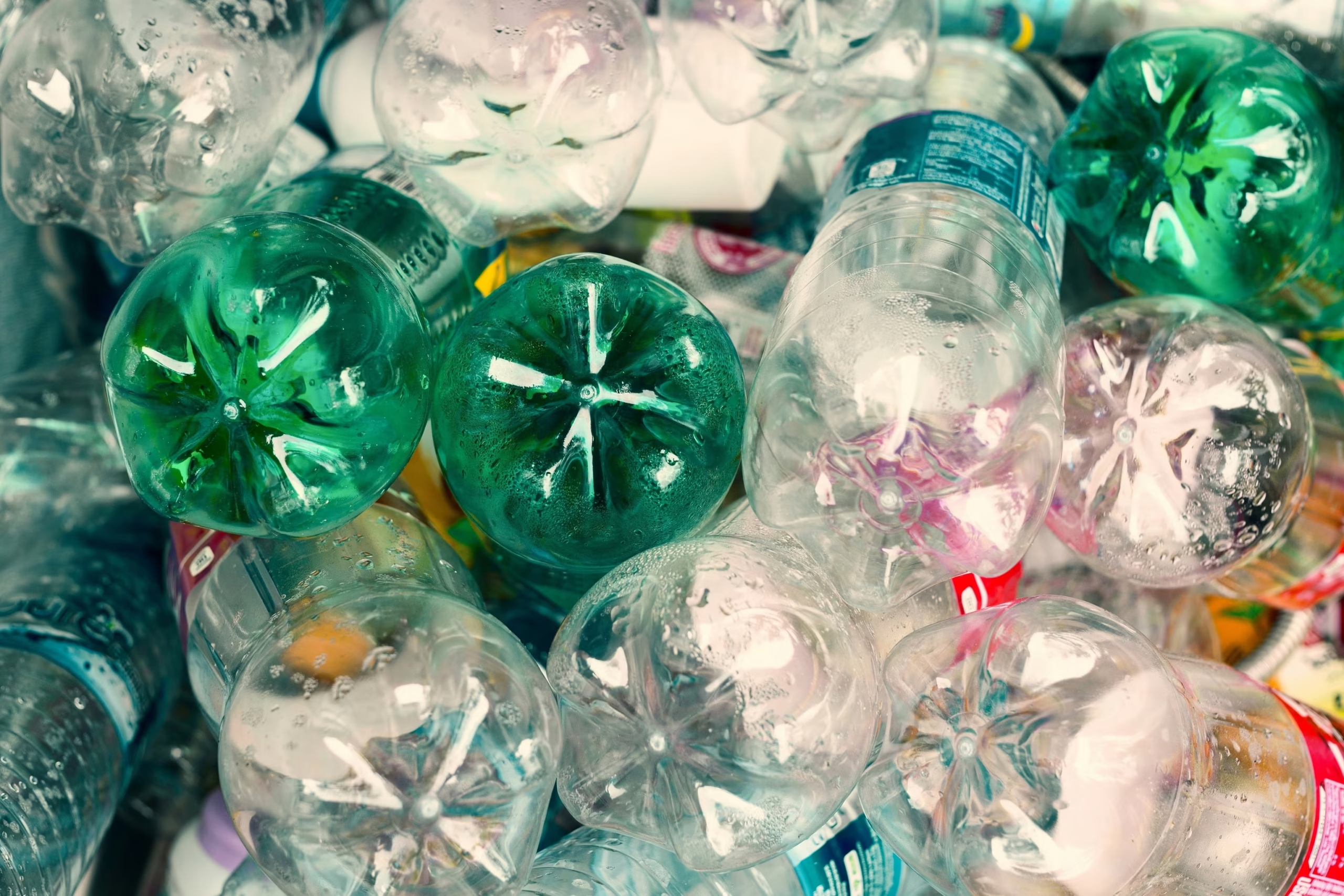
To help combat the aforementioned barriers, there are some steps that can be taken at all stages of a plastic item’s current life. These actions can make plastic products part of a circular living solution instead of merely part of the plastic problem.
Photograph by Teerasak Ladnongkhun / Shutterstock
Product design — Think about the typical life cycle of a plastic item. You buy it, you use it, after a while it breaks, and then you probably throw it in the trash. But what if the product was designed so that it could be repaired or more efficiently upgraded?
Rethinking product design can go a long way in extending the life of a plastic product. Pilot, for example, now manufactures pens that are made with 83% post-consumer recycled plastic bottles. And companies are pushing this thought process further.
A Dutch startup called Gerrard Street is now offering headphones that are designed to be durable, with replacement parts easy to find and use. Google even tried to create a completely modular smartphone, called Project Ara. Even though Google failed to bring this item to fruition, the learnings can be applied to other sectors.
Photograph by Mr. Whiskey / Shutterstock
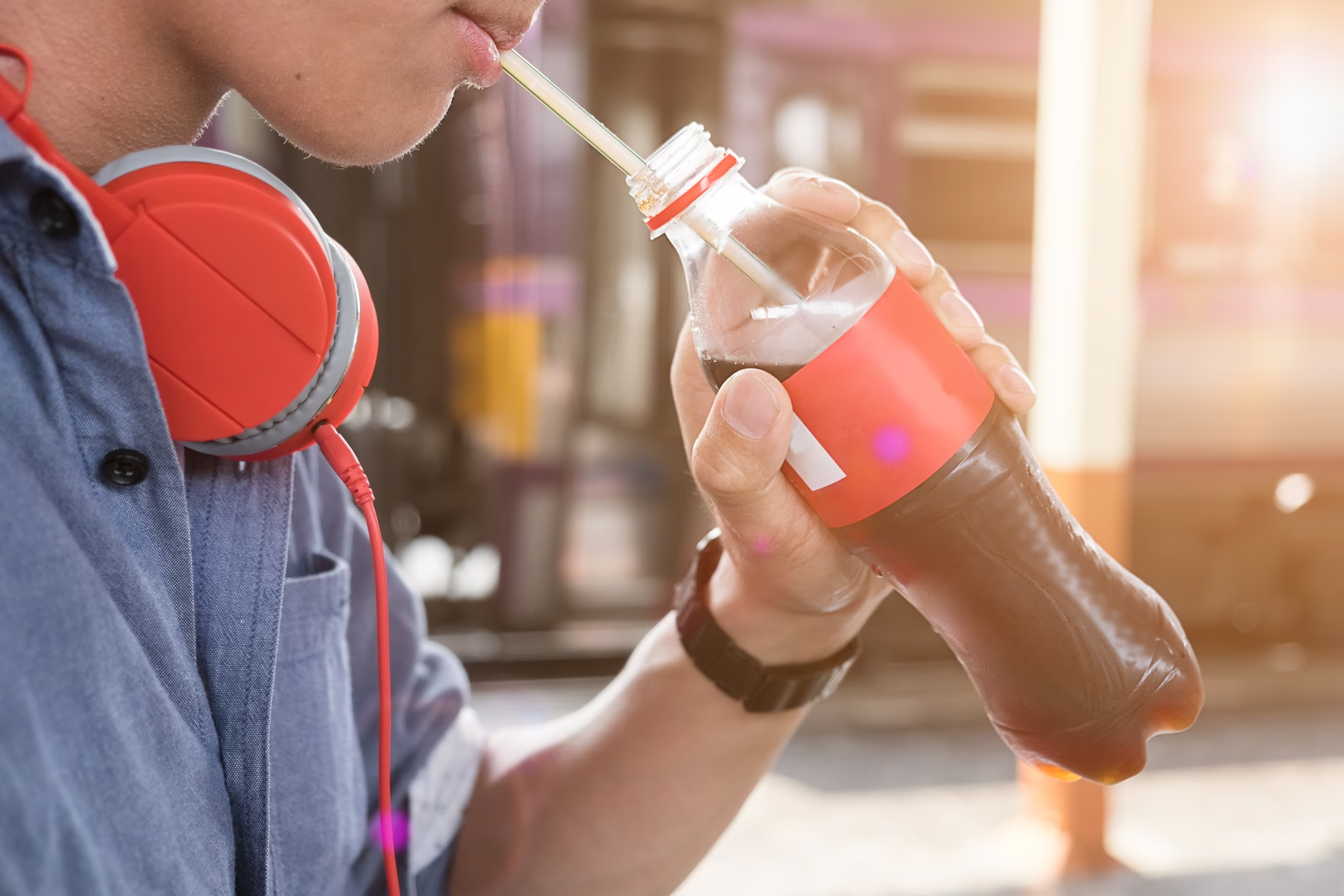
Creating better plastic products — Making better plastic products can mean making more durable plastic products — like a sturdy plastic water bottle that can be refilled and used thousands of times — or using different types of plastic, like bioplastic, that are bio-compostable. GC group can now manufacture plastics that are plant-based; the company uses the fermentation process to convert raw materials like sugar cane into bio-plastic.
Packaging — Plastic packaging has become an accepted part of life, but individuals, companies, and municipalities can play a part in reducing its use.
Individuals can make a conscious effort to avoid single-use plastic packing by doing things like bringing reusable tote bags to the grocery store. With the average person typically using between 350 and 500 plastic bags a year, avoiding plastic bags — which can take up to 1,000 years to break down — can make a difference. In the U.S., more than 200 municipalities have already banned single-use plastic bags, and more cities and states are considering a plastic bag ban.
Companies can make concerted efforts to find ways to reduce the amount of plastic used to package their goods and can use plastics that are made up partly, or entirely, of recycled materials. Baggu sells reusable tote bags that, in addition to reducing the need for using single-use plastic bags, are made from 40% recycled nylon (sourced from pre-consumer waste).
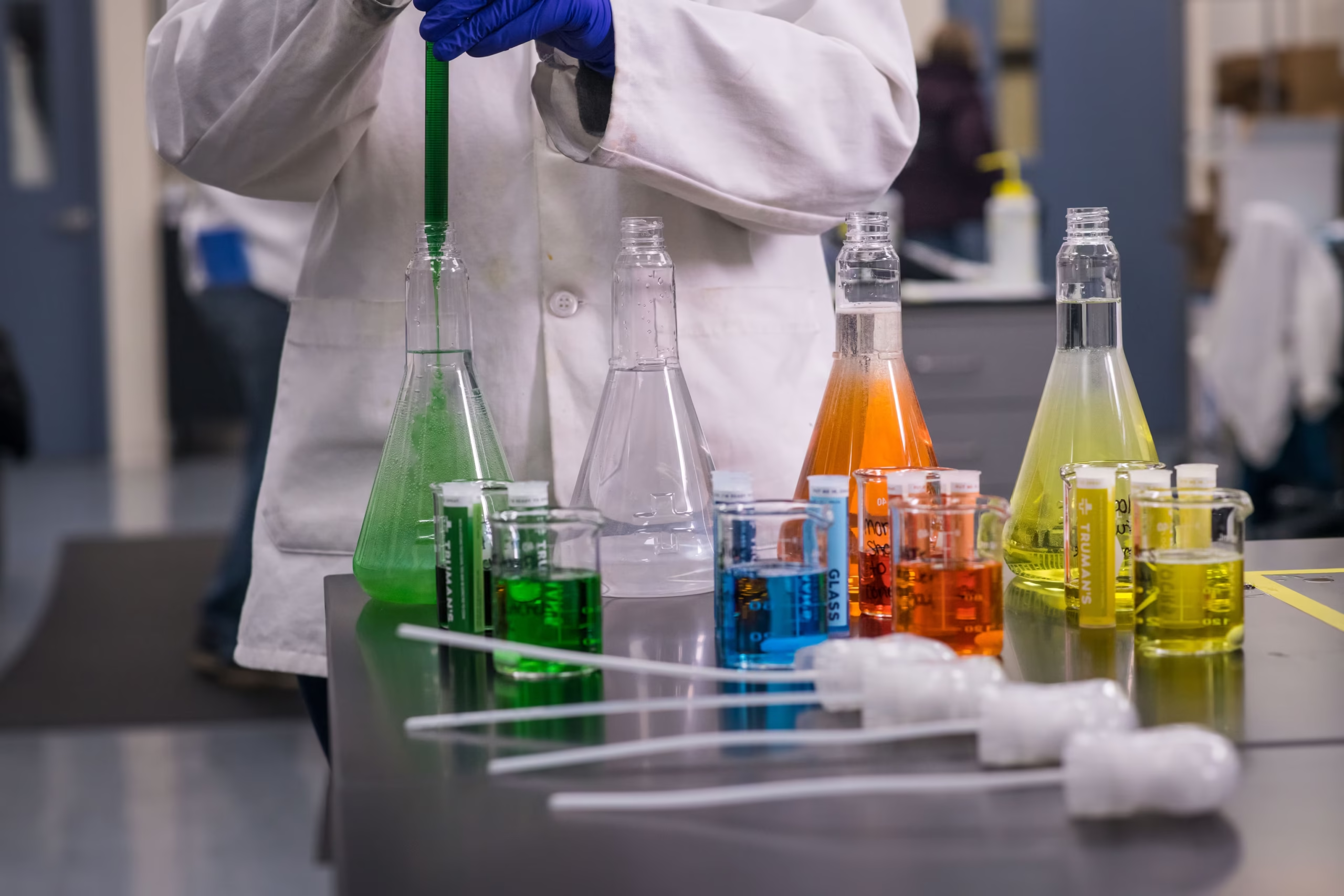
Those that manufacture liquid products (like shampoo, soap, laundry detergent, and cleaning products) can find ways to reduce the amount of water in their formulations, resulting in less packaging. Proctor and Gamble now offer consumers a choice when it comes to the type of packing their laundry detergents come in, offering an “Eco-Box” made with 60% less plastic. Trendy startup companies like Truman’s are also selling cleaning products that use refillable plastic bottles and concentrated refill cartridges.
Photograph courtesy Truman’s Cleaning, LLC
Recycling — Plenty of consumers are familiar with recycling certain types of plastic at home. But how much do most people know about what happens to that plastic bottle after their recycling gets picked up?
Many of these plastics are actually downcycled, or made into items that don’t require the same integrity of the original plastic item – they’re turned into items like toys, bags, carpets, or clothing. But new plastics, made from different types of polymers, are being developed and will have greater potential for being recycled in innovative ways.
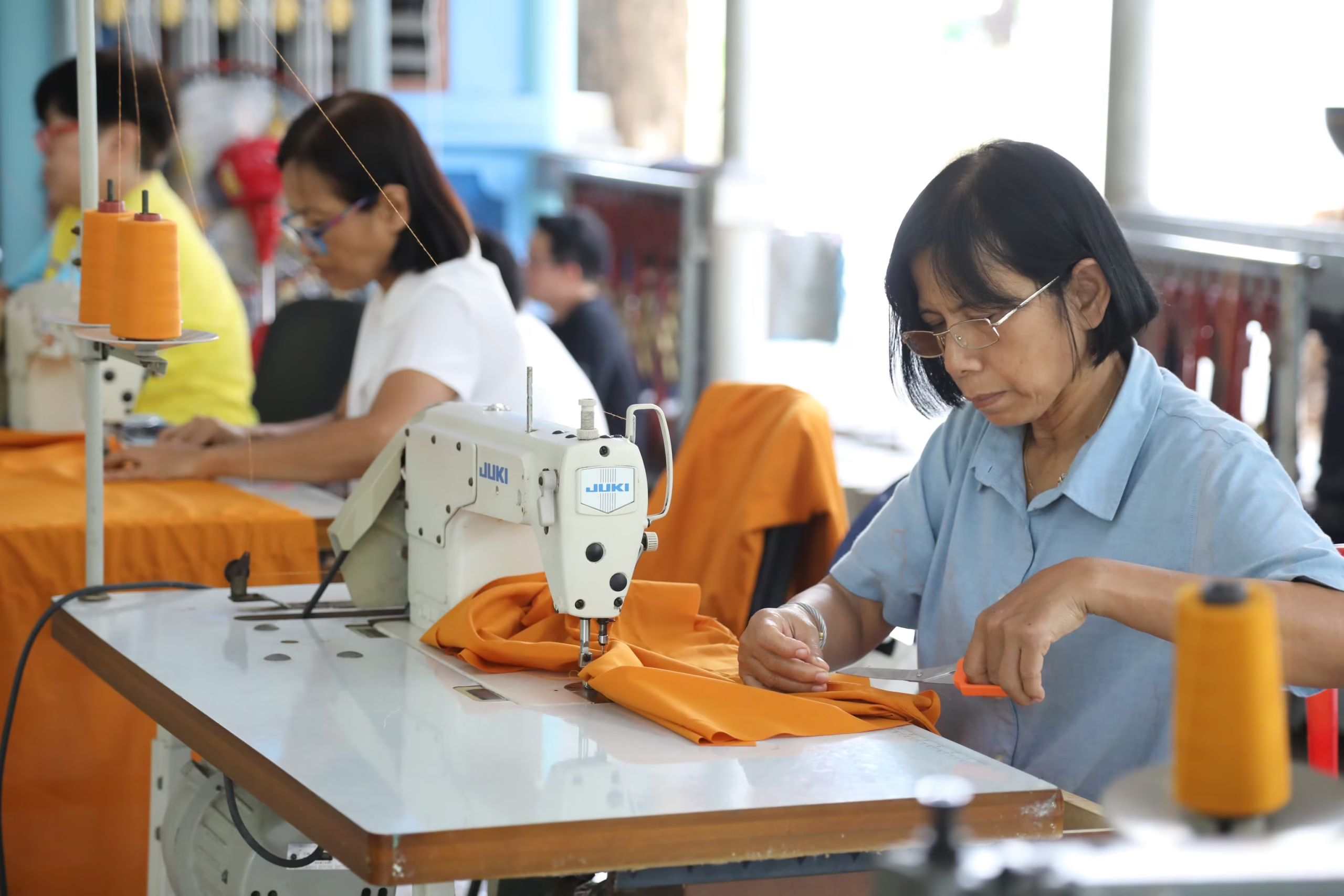
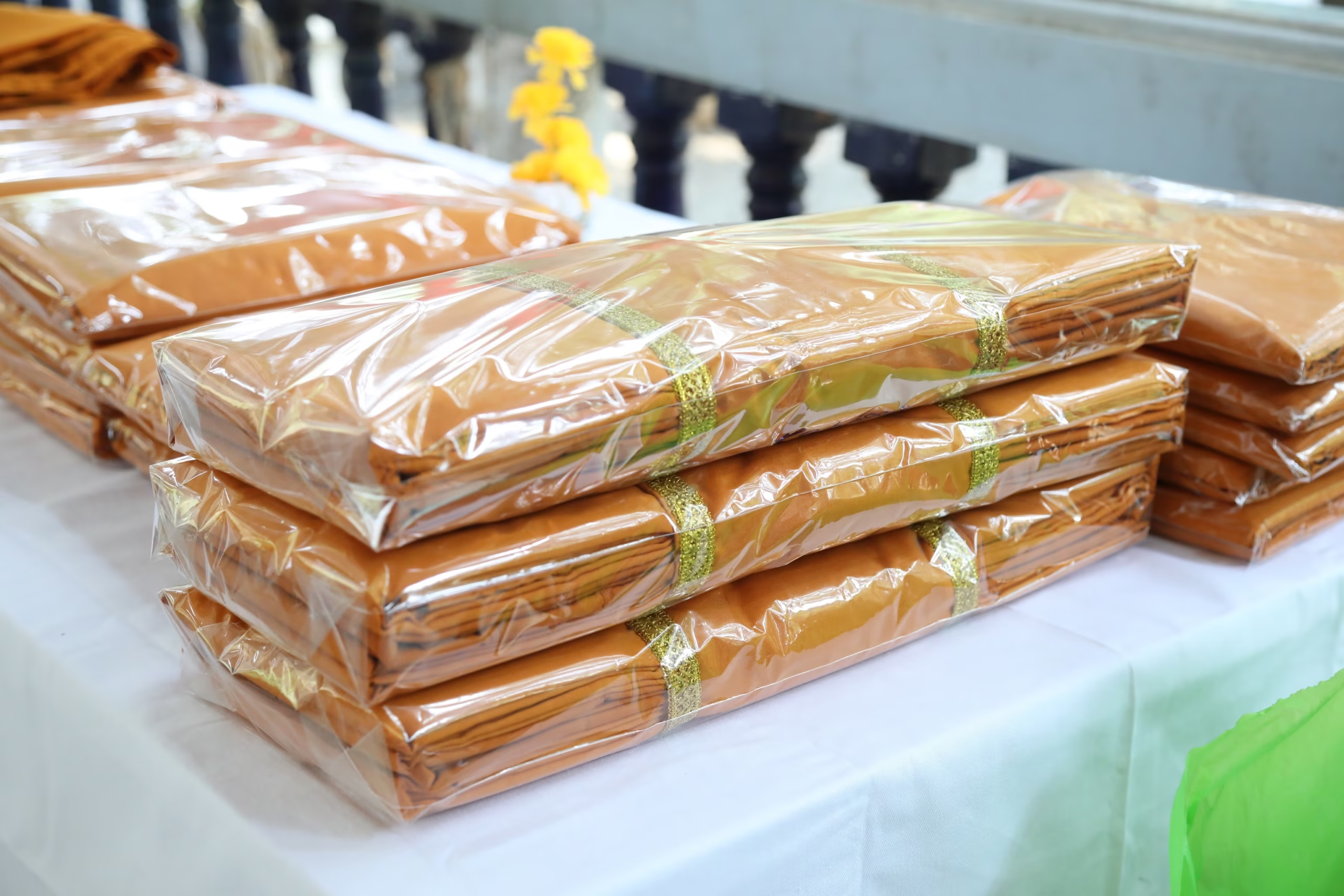
Some plastics can even be upcycled or made into an equal or better-quality product than the original. GC now has a project that takes plastic bottles and turns them into fabric. The resulting fabric is then used to create upcycled robes, which are worn by local Buddhist monks in Thailand.
Photograph courtesy PTT Global Chemical PLC
Bottles collected from the Bangkachao area of Thailand by Wat Chak Daeng’s monks and Buddhists are woven into saffron robes with polyester rayon, cotton fibers, and antibacterial polyester.
The thought really does count
Meetings like the Circular Living Symposium are an important step in continuing the conversation on how to solve the plastic problem and move into a circular living mindset. With CEOs of major corporations, small business owners, government officials, NGOs, consultants, members of the media, and others in attendance, industry discussions like this will provide participants with plenty of ideas on how to rethink plastics right from the start.
Resource: nationalgeographic.com

