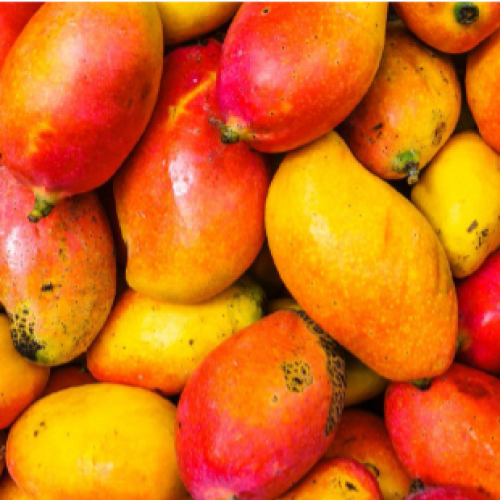

Leather is common in everyday items, including clothes, shoes, bags, and wallets. Although leather is a byproduct of meat, 17kg of carbon dioxide is emitted per square meter of leather. Synthetic leather made from plastic is also common as a cheaper substitute and produces 15kg of carbon dioxide per square meter of leather. Given these statistics, is it possible to enjoy luxury goods made from leather without the environmental effects? Yes, if we use vegan leather made from otherwise wasted goods, such as mangoes.
The Netherlands trade or import over half of the mangoes in Europe. Around 1,500 mangoes go to waste each week due to the quality control process.
One company, Fruitleather Rotterdam, had the idea to take the mangos that would be thrown out and used the pulp to make vegan leather. Different mangos produce different colors of leather. They can then be sold to sewers to create fashionable products more sustainably.
Related article: The Environmental Impact of Fast Fashion: What Can You Change To Be More Sustainable?
How Vegan Leather is Made
A machine de-stones the mangos and then crushes the fruit into a pulp. Additives turn the pulp into a leather-like material. The mixture is then placed on metal baking trays and smoothed out for even thickness. The trays go into a dehydrator overnight. The pulp has a cream color before the drying process, but depending on the mango, the color may differ. Palmer mango is brown while Keitt mango is black. From there, it is sent to a leather finishing facility to make the substance more durable by applying multiple layers of coating for preservation. Lastly, an embedding machine adds texture details to make the result look and feel like animal skin.
The founders of this innovative leather started their own company with the goal of reducing 12% of food waste in the Netherlands. They wanted to take something of less value and make it valuable.
Pros
1. Less water contamination
In traditional animal-skin leather production, many chemicals used to tan leather contaminate the water.
2. Reduced carbon dioxide emissions
Additionally, most of the carbon dioxide emissions from the leather-making process is from the leather-tanning step.
Cons
Although mango or vegan leather is a sustainable option, it still has its challenges:
1. Lasts <10 years
Mango leather currently has a shorter lifespan than traditional leather.
2. Limited quantities (and higher production costs)
As mango leather is a new concept, production is costly and it cannot be made in large quantities.
Conclusion
Fruitleather Rotterdam is working on modifying and refining mango leather to make it both sustainable and efficient. Their end goal isn’t to replace the animal-skin leather industry with mango leather, but simply to make leather production easier on the environment.
Supporting eco-friendly businesses not only benefits our environment but future generations in the long-run.
Want more sustainability tips and updates on our green school project? Join our growing community!