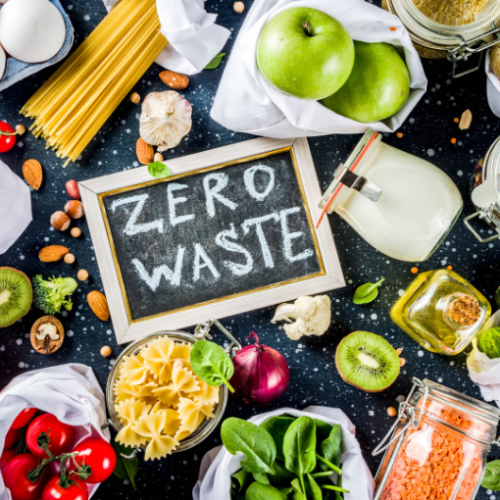

When it comes to addressing climate change or crisis, it is necessary to make climate cautious decisions without losing focus on the institutional changes that are necessary to reach lofty climate targets. The average person in America produces 700,000 tonnes of trash. In Canada alone, 33.4 million tonnes of waste ends up in landfills yearly according to a 2012 statistic. The average-sized family in Canadian household waste 140 kg of food a year, leading to a total cost of $1,300. In 2022, over 2 billion tonnes of waste was produced according to HWH Environment and it is expected to increase to 3.4 billion tonnes by 2050.\
Reducing the amount of waste we produce can be challenging, especially when we consider exterior components that we can’t control like items that come in plastic packaging. Reducing waste may seem intimidating, but it doesn’t need to be. The most important thing is that zero-waste living is a process that gradually becomes easier over time. It does not need to be done perfectly at first but is an opportunity to make eco-friendly choices. From taking sustainable actions to purchasing eco-friendly gifts, there are countless ways, big and small, to reduce your waste in a way that fits with your lifestyle.
We have compiled 3 categories with helpful tips that can make living a zero-waste lifestyle a smooth transition from regular habits you might have.
Tips for Shopping Sustainably

1. Buy in bulk
It can be easy to take a trip to a local grocery store and find pre-packaged items to cook a delicious home-cooked meal. However, bulk goods are one of the easiest ways to lead a zero-waste lifestyle. Not only is it eco-friendly to buy in bulk but it is budget-friendly too, as pre-packaged goods tend to come with a hefty price tag.
2. Carry mason jars, reusable containers or cloth bags
Carrying these eco-friendly containers and bags is also a great way to control the amount you buy since you’ll be able to get what you need without splurging on unnecessary items. This prevents food wastage, which is a critical problem in many countries like Canada
3. Avoid produce wrapped in plastic
This can be challenging at times, especially when many supermarkets tend to use shrink-wrap for vegetables and fruits. If you can purchase unpacked fruits or vegetables, combine this tip with tip #2 to avoid the plastic bags available at grocery stores. This can prevent more plastic from ending up in the ocean and into the bodies of aquatic wildlife which already harms over 100 million species per year.
4. Buy local
Bring your straw basket and pick up your food at your local farmers’ markets because it will be fresher, more sustainable, and more nutritious. Besides, by supporting local farmers, you’ll cycle your dollars right back into your local economy.
Sustainable Tips for Drinks, Cleaning & Food Storage

1. Ditch plastic water bottles and either buy a water filter or opt for a reusable bottle
Avoid using plastic water bottles and instead, consider buying a good-quality water filter instead! Approximately 40% of bottled water sold is actually tap water. Additionally, buy a reusable water bottle and thermos for your coffee or tea.
2. Switch out tea bags for loose-leaf tea
For your daily afternoon tea, switch to loose-leaf tea instead. Most tea bags are loaded with microplastics that are bad for you and the environment. Use an in-mug strainer or a set of reusable cloth tea bags and you will have a delicious, sustainable brew. You can also try blending up your own teas, which as a bonus makes wonderful gifts.
3. Make eco-friendly cleaning products
Did you know that conventional cleaning products are full of harmful endocrine disruptors and other chemicals that leach into our sewage systems, waterways, and bodies? Fortunately, it is easy to make your own eco-friendly cleaning products. For example, the simple trick of combining baking soda with lemon juice and vinegar can clean your countertops, showers, toilets, and floors.
4. Replace soap bottles with soap bars
You’ll avoid disposing many plastic containers this way. This is a simple yet very efficient way of saving the planet one soap bar at a time.
5. Use bees wrap instead of plastic wrap to store your food
One of the most commonly used items in the kitchen is to store food in plastic wrap. Try using a sustainable alternative called bees wrap! Made with beeswax, cloth, oil, and pine resin, they’re like plastic wrap and come in many customizable sizes, colors, and designs.
Tips for Reducing Waste for Your Daily Routine

Orgalux from Unsplash
1. Bring your own reusable cutlery
When going to restaurants or cafes, try bringing your own set of reusable forks, spoons, and knives. Plastic cutlery, straws, plates, and cups clog our landfills can harm sea turtles that ingest the debris.
2. Donate old or small clothes instead of throwing them away
You will not only save a lot of clothes from piling up in landfills but also help individuals who may not be able to afford clothing.
3. Buy clothing from sustainable brands or thrift shops
This is a good way to green up your closet. Often, you’ll find unique, gently worn (or even brand-new) items at a fraction of the original price.
4. Switch to digital documents and receipts
Save on paper and ink by asking for paperless bills, filing taxes online, and opting for digital receipts. Receipt paper is often coated with toxic BPA and BPS.
5. Compost
According to the Environmental Protection Agency, 30% of the waste Americans produce is made up of yard waste and food scraps, which can be composted instead. By diverting that waste away from landfills, we can shrink the size of landfills and reduce methane production which is 21 times more potent than carbon dioxide.
While all these steps seem doable, there are times when you might forget to pack a lunch and need to grab something on the go. Whatever the reason may be, if you do end up with recyclables, try your best to recycle properly. Check in with your municipal waste treatment facility and follow their guidelines so that everything gets sorted correctly.
Conclusion
As the saying goes, Rome was not built in a day and so living a zero-waste lifestyle takes time. But with a little time and patience, you can absolutely reduce your impact. At GSGF, we aim to educate children about sustainability through hands-on activities in an eco-friendly building. Together, we can create the responsible green leaders of tomorrow.