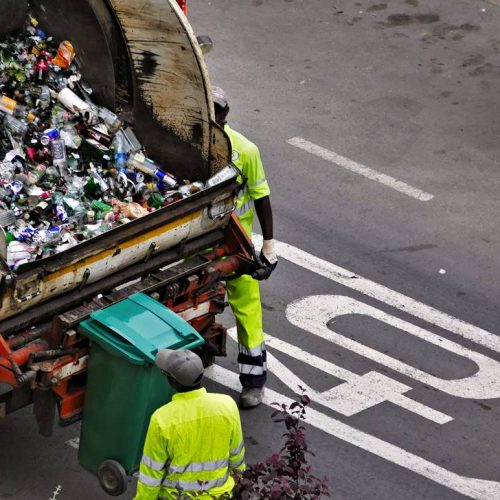

Last month, Canada announced the next steps of its plan to fight plastic pollution. By the end of 2021, some everyday single-use plastic items will be banned nationwide. As of now, six plastics products are included in the proposed ban: plastic bags, straws, stir sticks, six-pack rings, cutlery, and hard-to-recycle takeout containers.
The federal government finally pushes one step closer to reach the goal of zero plastic waste by 2030. Although this is great news for the environment, that doesn’t mean our work is done. There is certainly much more we can do individually instead of leaving it all to the government and environmentalists.
We all try to sort our waste, believing that everything will be recycled properly. What most people don’t know is that the vast majority is not recycled properly. Some even argue that the concept of recycling is a scheme from the industry to sell more plastic. This is not to persuade you that recycling is bad, but relying on it is not enough. Out of the 3 million tonnes of plastic waste that Canadians throw away every year,
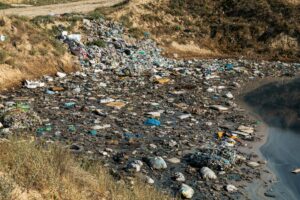
only 9% is recycled. The rest end up in landfills and harm our environment.
We may think recycling is a simple act of throwing the item into the correct bin. Many people feel like they have done their part just by doing that. However, recycling is not the transparent process it seems to be. It is a complex system that is affected by market demand, price, and local regulations. It involves many people, such as product developers, the teams collecting the waste, the recycling factory workers, and the public throwing out their trash.
As consumers, we play a critical role in the plastic world because the way we use and throw away these items leaves a direct impact. Hence, the conversation shouldn’t just be about recycling anymore. Instead, we should think about reducing and reusing. If you need a guide, we have some useful green tips on how to go plastic-free. Additionally, we should also know the different use of plastics and find out where the problem lies from the beginning. Here are 5 things to keep in mind about plastics.
1. Different plastics have different recyclability.
If you check the recycle logo on a plastic product, you will see some of them have a number in the center. These numbers tell you what type of plastic the products are made of. Plastics are classified into 7 categories. #1 (PET) has the highest value for recycling and water bottles belong to this type. The least recyclable is #7 which contains non-recyclables and corn-based plastics (PLA).
There are two types of plastics: thermoplastics and thermosets. Thermoplastics are recyclable plastics that can be re-melted and remolded into new products, while thermosets are non-recyclable plastics that contain polymers with irreversible chemical bonds. After the initial heat is applied to mold the plastic into its shape, thermosets cannot be re-melted or molded no matter how intense the heating process is.
2. Some plastics are not recycled for several reasons
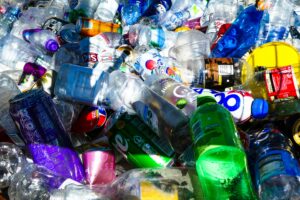
As mentioned above, some plastics are not recyclable because they are made of non-recyclable materials. What about the coffee cup you from the coffee shop? People always throw coffee cups into the recycle bin because they only see the paper cover from the outside. But the truth is, there is a thin layer of plastic inside that makes it hard to recycle. This layer is used to keep the drink from cooling too quickly. To make these cups recyclable, a special machine needs to separate the materials. This can end up costing too much time and money. Other products with similar multilayer package designs also make recycling difficult. The easiest product to recycle is the one made from a single material, such as a water bottle.
Even items that can be recycled do not always get recycled. This is because due to the varied methods of recyclers and local governments. For example, dirty plastics are sometimes not recycled because the food residue would affect the new product. Some recycling companies wash them a few times before they cut, melt, and transform the plastic. But that’s not always the case. When it is too troublesome to clean, these plastics aren’t recycled. As companies are profit-oriented, poor quality items and items with little or no market demand will end up in landfills. The government’s decisions also greatly influence plastic recycling.
3. The more plastics are recycled, the poorer their quality gets
Plastics are polymers with long chains of atoms arranged in repeating units. Their length and pattern make them strong and flexible. But the same plastic can only be recycled 2-3 times. Each time a piece is recycled, workers must add material to ensure quality. This means plastic products labelled as being made out of “recycled materials” doesn’t mean they are 100% recycled.
4. Plastic alternatives are not always better than plastic

Glass and metal can be recycled many times without compromising their quality. They are good alternatives to plastic, but they are not as widespread because of costs. These materials are heavy and glass is easy to break, making shipping and fuel prices higher. The resulting greenhouse gas emissions from all the transportation still harms the environment.
Paper bags can also be as unsustainable as plastic bags. Like plastic, they take a lot of water and energy to make. Overall, paper in landfills also contribute more methane emissions than plastics.
Conclusion
All the materials we use can leave a significant impact on our environment. When we talk about plastic, we shouldn’t talk about it as an inherently unsustainable material. Ultimately, its environmental impact depends on how we incorporate it into our lives. Instead of just focusing on how plastic pollutes our oceans and land, we should talk about how our plastic consumption and waste management pollute the environment. We live in a world filled with plastics, so the decision is in our hands. Keep learning and pushing back in the plastic war.
At Green Schools Green Future, protecting the environment and supporting sustainability is our mission.