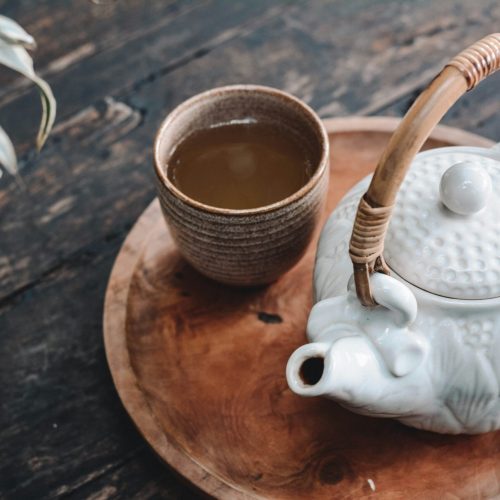

Heavy metals contaminating drinking water is a global issue, but researchers from Northern University have found a natural water filter: tea. In a study, they have found that brewing tea can help capture and remove harmful heavy metals, including lead and cadmium, from water like a natural water filter.
How Tea Filters Metals
The study, which was published in ACS Food Science & Technology, showed how heavy metal particles stick to the surface of tea leaves. Since the leaves have a high surface area, they are able to absorb the metals from the water during the brewing process.
Vinayak Dravid, the senior author of the study, noted that some types of tea bags were better at absorbing than others. While cotton and nylon tea bags only absorbed a bit of the metals, cellulose-based bags were significantly more effective. Nylon tea bags, such as the more luxurious pyramid-shaped ones, released microplastics, making them a poor option. They also absorbed fewer heavy metals than the standard cellulose bags.
Longer Brews = More Absorption
In addition to tea bag type, brewing time was also a factor. Tea that was steeped for a longer time absorbed more heavy metals. The researchers estimated that just one cup of tea could reduce the amount of lead in water by around 15%.
Different Types of Tea
The researchers tested several types of teas, from black and green tea to chamomile and oolong. Most of the leaf-based teas yielded similar results. Comparatively, chamomile and other flower-based teas were less effective at absorption. Additionally, grinding the leaves improved absorption because this increased the tea’s surface area.
Limitations
While the study’s findings are promising, Dravid emphasized that tea isn’t a replacement for using an actual water filter. Other medical experts have urged caution as well, pointing out that the benefits are still unclear due to variability in tea types, brewing methods, and metal content.
Also, tea can also release lead into the water because it may contain lead absorbed from soil. This is more likely for older tea leaves, primarily used for black and oolong teas. To avoid this unwanted effect, choose organic teas and tea types with less lead.
Tea & Simple Steps for Better Health
Overall, the study’s findings point to tea as an everyday natural water filter to reduce exposure to harmful contaminants. Simply by drinking tea, you can help to protect your health and the environment.
Sources:
https://www.theepochtimes.com/health/daily-cup-of-tea-may-help-filter-heavy-metals-from-water-study-finds-5816083