
At Green Schools Green Future (GSGF), we believe that building a healthier future begins with education. Our mission is to empower individuals and communities to make informed choices that protect both people and the planet through sustainability, environmental awareness, and healthy living.
Summer is filled with long afternoons spent outside, trips to the beach, family barbecues, and evening walks, which many of us look forward to all year. However, in recent years, Canada and many other parts of the world are experiencing record-breaking temperatures and longer heat waves. What was once an occasional stretch of hot weather is increasingly becoming a serious public health concern. These high temperatures have led to more instances of heat stroke, other illnesses, and even deaths.
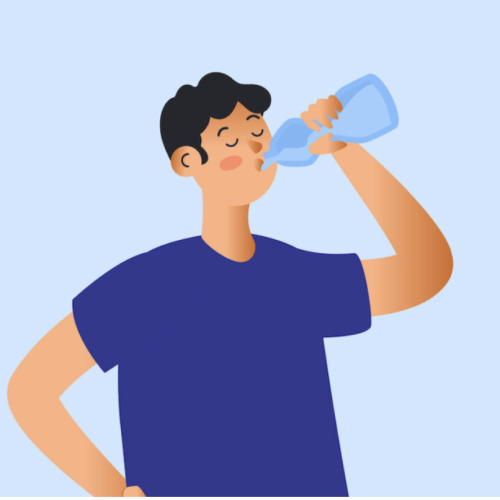
While we often talk about sunscreen, hydration and heat safety deserve just as much attention. Staying hydrated is far more than taking care of your thirst. It is one of the simplest yet most effective ways to protect your body from heat-related illnesses. That way, you can enjoy everything summer has to offer safely.
Why Hydration Matters More Than You Think
Our bodies rely on water for nearly every essential function. Water helps regulate body temperature, transports nutrients, cushions joints, supports digestion, and allows our organs to function properly. In hot weather, our bodies cool themselves by sweating. Although sweating is essential for preventing overheating, it also causes us to lose water and important minerals called electrolytes.
Electrolytes, including sodium, potassium, magnesium, and calcium, help regulate muscle contractions, maintain fluid balance, and support normal nerve function. When these minerals are lost through excessive sweating and not replaced, we can get symptoms such as muscle cramps, fatigue, dizziness, or headaches.
One common misconception is that thirst is the first sign of dehydration. Actually, by the time you feel thirsty, your body has already lost more water than it should. Making hydration a consistent habit throughout the day is much more effective than waiting until you’re thirsty.
Recognizing the Early Signs of Dehydration
Dehydration can be a gradual process. We can get dehydrated faster when we play sports, do gardening, or even walk for longer periods of time on a very hot day. Recognizing the warning signs early can prevent more serious health problems.
Common symptoms include:
- Dry mouth or lips
- Headaches
- Feeling thirsty
- Dark yellow urine or urinating less often
- Fatigue
- Difficulty concentrating
- Dizziness
- Muscle cramps
More severe dehydration may lead to confusion, rapid heartbeat, fainting, or an inability to sweat despite feeling overheated. These symptoms require immediate medical attention.
Heat-Related Illnesses Can Escalate Quickly
Extreme heat affects everyone differently, but no one is immune to its risks. Heat-related illnesses exist on a spectrum, beginning with mild heat cramps and potentially progressing to life-threatening heat stroke.
Heat exhaustion often results from prolonged exposure to high temperatures and dehydration. The signs can include:
- Profuse sweating
- Cold and clammy skin
- Tiredness
- Feeling sick
- Dizziness
- Fast heart rate
Heat stroke is a serious condition that needs immediate medical attention. It is different from heat exhaustion because the system that regulates body temperature starts malfunctioning. Someone suffering from heat stroke might show symptoms such as:
- An extremely high body temperature
- Confusion
- Slurred speech
- Fainting
- Dry skin
2 Smart Hydration Habits for Hot Days
The good news is that you can prevent dehydration with a few easy habits.
1. Start your day hydrated
Always keep a reusable water bottle with you when you are outside (or even indoors) because it makes it easier for you to drink water regularly.
2. Get more electrolytes
When you engage in more strenuous physical activities, like hiking or running outdoors, then drinking water might not always be enough. If you sweat a lot during that time, then beverages with electrolytes are important. Fruit such as bananas, oranges, yogurt, or watermelon, along with green leafy vegetables, can also help replace the electrolytes your body loses through sweat.
Fruits and vegetables are important for daily hydration too. Produce with high water content, including cucumbers, strawberries, tomatoes, peaches, and watermelon, can help hydrate your body while also providing vitamins and antioxidants.
A Simple Way to Stay Consistent: The Echo Flask
Whether you’re working, exercising, or spending time outdoors, having a reusable water bottle nearby can make it easier to drink water consistently instead of waiting until you’re already thirsty. If you’re looking to upgrade your hydration routine, the Echo Flask is a portable hydrogen water bottle designed to encourage regular hydration with features like a rechargeable design, touchscreen controls, and app connectivity.
Taking Care of the Most Vulnerable
While everyone should take steps to prevent heat-related illnesses, some people are at an even higher risk of becoming ill due to heat exposure. Older people, young children, people living with chronic medical conditions, pregnant women, outdoor workers, and athletes may find it especially hard to regulate their body temperature or rehydrate fast enough. Check in on your neighbours, relatives, or friends during heat waves to make sure they’re doing all right.
A Healthy Summer Starts With Small Choices
Summer should be about enjoying the outdoors and the memories we make with our friends and families, not preventable medical emergencies. As heat waves become more frequent due to our changing climate, staying hydrated is an important part of protecting our health.
Luckily, staying safe doesn’t require complicated routines. Drinking water regularly, recognizing the early signs of dehydration, replacing lost electrolytes when needed, and making smart choices about outdoor activities can help you enjoy summer while reducing your risk of heat-related illness.
We are building Canada’s first green school to teach students healthy habits, sustainability, future-ready skills, and eco-friendly technologies. Help us bring this vision to life by supporting our GoFundMe campaign. Every donation, whether it’s $5, $10, or more, helps increase awareness of our mission and brings us closer to creating a space where future generations can learn how to protect both people and the planet.
For more interesting blog posts like this one, subscribe to our monthly newsletter!
References:
CDC. “Clinical Overview of Heat.” Heat Health, 2024, https://www.cdc.gov/heat-health/hcp/clinical-overview/index.html. Accessed 27 July 2026.
“Echo Flask.” Echo Water, 2026, https://echowater.com/pages/flask?_ef_transaction_id=&affid=3071&oid=43&utm_campaign=&utm_content=43&utm_medium=affiliate&utm_source=everflow. Accessed 28 July 2026.
Harvard T.H. Chan School of Public Health. “Water.” The Nutrition Source, 24 Sept. 2019, https://nutritionsource.hsph.harvard.edu/water/. Accessed 27 July 2026.
Wergin, Allie. “Water: Essential for Your Body.” Mayo Clinic Health System, 29 Sept. 2022, https://www.mayoclinichealthsystem.org/hometown-health/speaking-of-health/water-essential-to-your-body-video. Accessed 27 July 2026.
World Health Organization. “Climate Change.” World Health Organization, 12 Oct. 2023, https://www.who.int/news-room/fact-sheets/detail/climate-change-and-health. Accessed 27 July 2026.