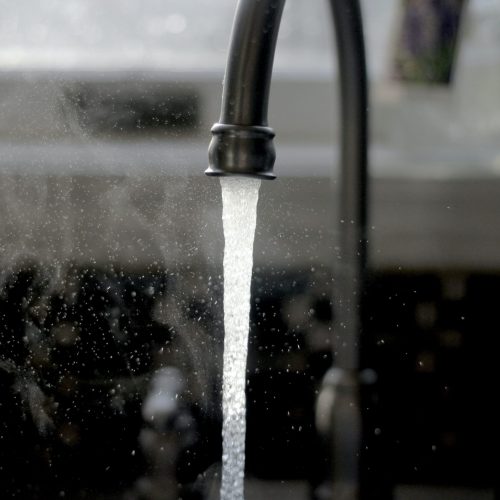

Many of us drink water straight from the tap at home and at restaurants. We know that it’s safe to drink tap water in most regions of America. Some of us may wonder where it comes from or what is in it but never bothered to dig for more information. Here, we will discuss tap water, what’s in it, and other options for water.
Where Does Tap Water Come From?
Tap water in Canada usually comes from three sources: lakes, rivers, and groundwater. The specific source depends on where you are in the country. For example, Toronto’s drinking water comes from Lake Ontario.
How is it Treated?
Before water gets to your faucet, it is treated at a treatment facility. There it will go through a testing and filtration process, making it potable. The process may differ in different locations, but the treatment process usually involves four steps: coagulation and flocculation, sedimentation, filtration, and disinfection.
1. Coagulation and flocculation
This refers to a process where chemicals are added to the water to remove large debris. This process helps stick small particles together and form larger particles that can be filtered out easily. The common reagents added include aluminum salts, polymers, iron, activated carbons, talcum, and activated silica. When they bind together, they form a jelly-like substance that sticks larger particles together called “floc.”
2. Sedimentation
This process occurs when water passes through settling basins and the floc settles to the bottom.
3. Filtration
Once the floc has settled, the clear water at the top is then filtered to remove any fine particles, impurities, microorganisms, and bacteria.
4. Disinfection
Before water is distributed, it is disinfected using chemicals such as chlorine to get rid of any remaining bacteria, algae, and viruses. Some cities (ex. Toronto) add fluoride to prevent tooth decay.
In addition to this standard process, some cities test drinking water samples every day to make sure the water quality is good. Toronto tests samples every 6 hours.
What’s in Your Tap Water? And is it Really Safe?
After all the processing, tap water should be relatively safe as most of the impurities are filtered out. However, since water usually goes through the same pipe, it’s almost impossible for it to be 100% pure. Drinking water is becoming increasingly toxic worldwide because of ageing water pipes and chemical pollution. Not all of the toxins in the water get filtered out by treatment plants.
Some of the most common contaminants you can find in tap water, even after treatment, include:
- copper
- iron
- lead
- pesticides
- herbicides
- uranium
- chloride (added to water)
- fluoride (added to water)
These are just some of the possible contaminants. Each of them can carry health risks. Excessive intake of copper can damage the liver and kidney. Chloride may be linked to bladder cancer and have negative effects on the reproductive system and child development. Lead can also lower IQ in children, increase the risk of premature birth, pose problems to the reproductive system, and impair kidney function. Fluoride poses health risks to pregnant women and babies. As a result, many European countries have banned water fluoridation.
Benefits of Tap Water

Then what’s good about tap water? Compared to bottled water, tap water is the cheaper, more environmentally friendly, and more convenient choice. Tap water also has beneficial minerals such as calcium, magnesium, and sodium.
What Other Options Do We Have?
1. Bottled Water
Unlike what you may think, bottled water is actually not necessarily safer than tap water. This is a common misconception. Some bottled water is just packaged tap water. Not to mention the environmental harms of all the plastic waste from water bottles. For more on bottled water, check out this post about common toxins in our water.
2. Spring Water
This is water from natural springs which are far away from human waste and surface contamination. Spring water is better than tap water because it does not travel through the same old pipes. Natural spring water also has higher mineral concentrations. However, not everyone can access it.
3. Filter Your Tap Water
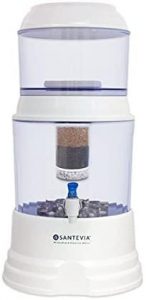
Drinking tap water may expose you to contaminants, but in some cases, it is the most affordable option. It is best for you to get a water filtration system to further purify water from your tap. You can also buy a good water filter. There are many affordable and high-quality options.
Conclusion
Without a doubt, clean water is fundamental for us. It is essential to every part of our bodies. Even though it is fairly safe to drink tap water, it is always better to filter the water to avoid any potential health risks.